Showing posts with label 12. Show all posts

Monday, October 13, 2025

Who made 12 Jyotirlingas in India and how were these places decided?

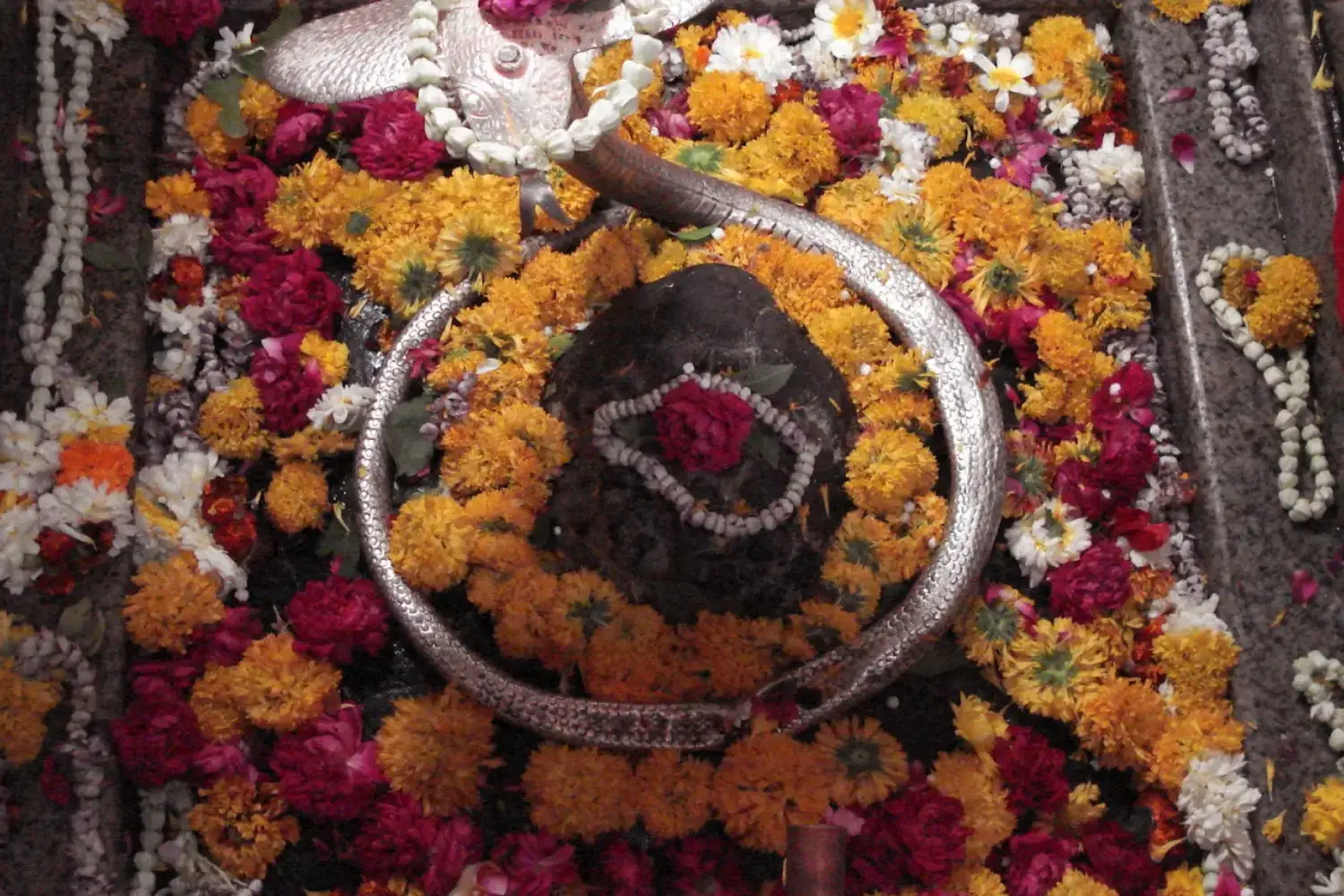
 Jyotirlinga is a holy shrine dedicated to worship Lord Shiva. These shrines worship Lord Shiva in the form of a Light or Jyotirlingam. ‘Jyoti’ meaning ‘radiance or light’ and ‘Lingam’ meaning ‘a sign or a symbol of Lord Shiva’, Jyotirlinga means ‘ The Radiance of Lord Shiva’. It is believed that these 12 jyotirlingas are ‘Swayambhu’ or self-manifested. Lord Shiva manifested himself in these places just for his devotees.

These Jyotirlingas are considered to be the purest and holiest shrines of Lord Shiva. It is said that if a person visits all the holy shrines, he attains moksha.

The 12 Jyotirlingas in India are:

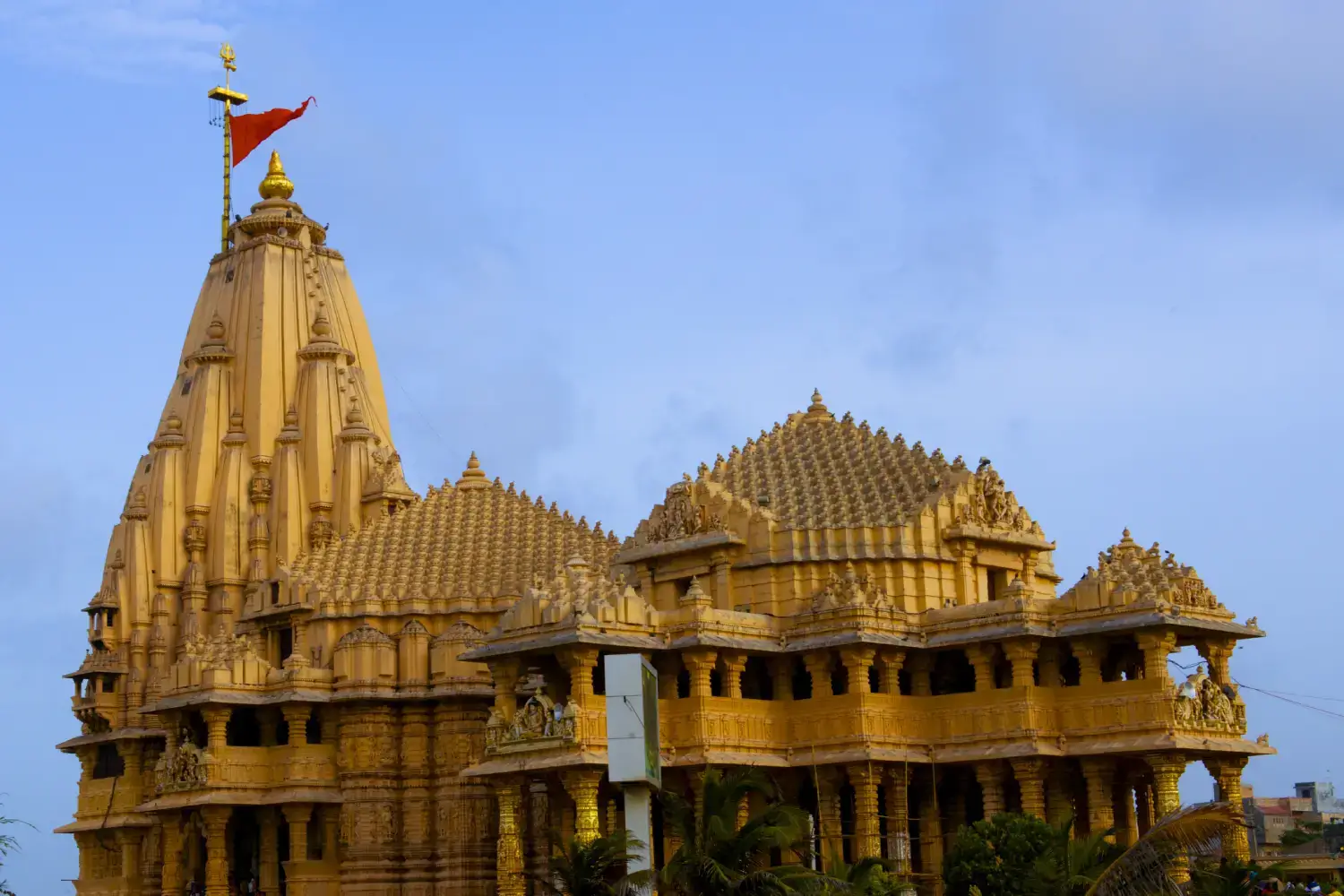
Somnath Jyotirlinga – Saurashtra, Gujarat:

Somnath Temple is considered to be the first Jyotirlinga. This shrine is one of the oldest and most visited pilgrimage sites in India. This tale from the Shiv Puranas reveals that the Moon was married to King Daksha’s 27 daughters. However, he was partial to only of his wife, Rohini and neglected the others. Witnessing this, an infuriated Daksha cursed the Moon that he would lose all his shine. In order to free himself from the curse and get the luster and beauty back, the Moon along with Rohini started worshipping the Sparsha Lingam. Impressed, Lord Shiva blessed him and he was free of the curse. the Moon God insisted the Lord to reside there eternally.

This temple is known to have ‘Eternal Shrine’. It was destroyed for almost 16 times by invaders but was always rebuilt.

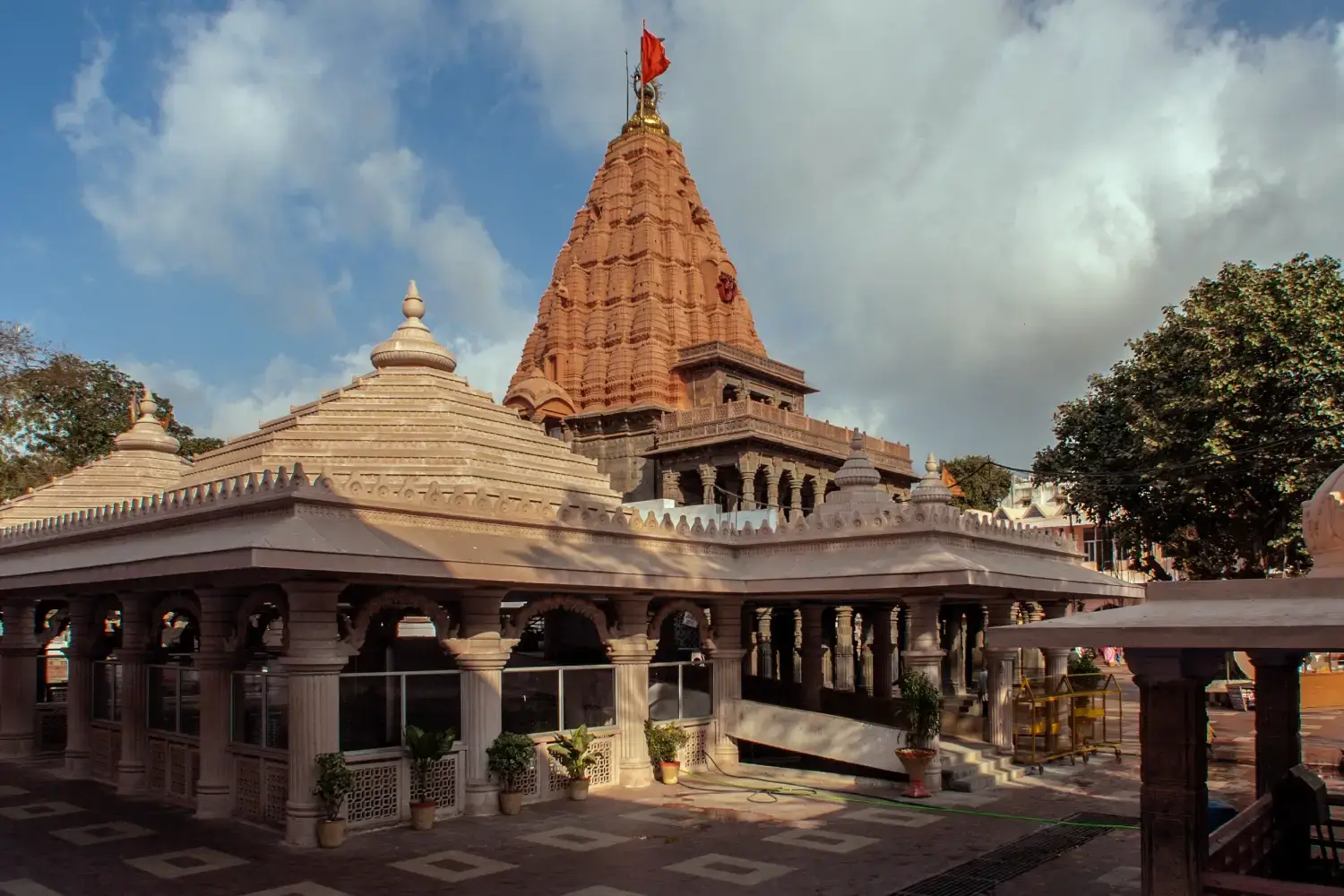
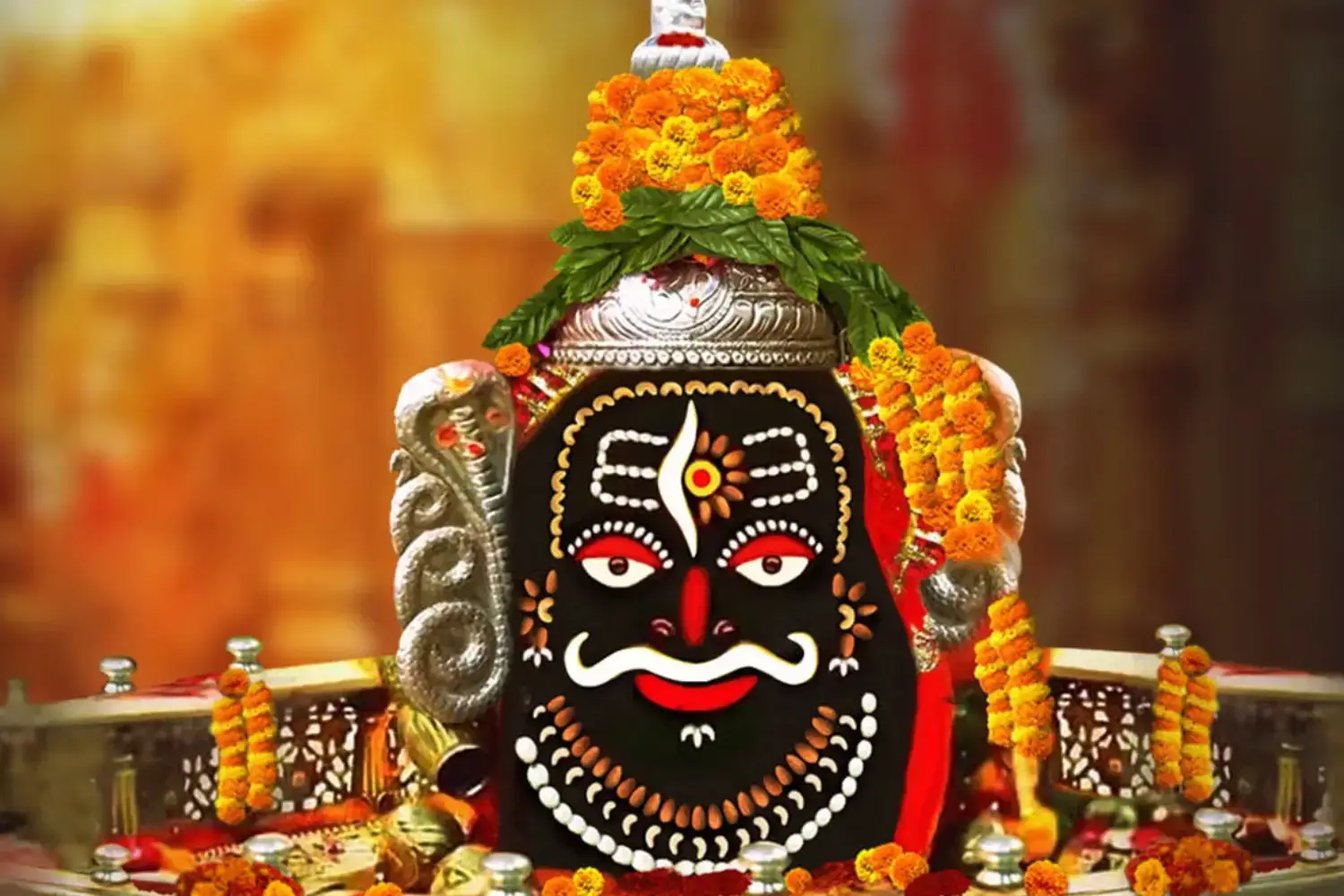
Mahakaleshwar Jyotirlinga – Ujjain, Madhya Pradesh

This shrine is one of the 18 Maha Shakti Peetham. A tale from the Shiv Puranas states that the King of Ujjain, Chandrasena was a devotee of Lord Shiva. Once a five-year-old boy Shrikar overheard him while he was praying to the Lord. When he wanted to pray along with the King, but was forced by the guards to go to the river Kshipra and pray. Shrikar learned that the rivals of Ujjain, King Ripudamana and King Shinghaditya decided to attack Ujjain. Shrikar immediately started praying. The news soon spread and was heard by a priest called Vridhi who then started to pray as well. The Kings with the help of a Demon called Dushan were successful in attacking Ujjain. Dushan was blessed by Lord Brahma to be invisible. Lord Shiva on hearing the pleads of his devotees appeared in his Mahakaal form and defeated all the enemies. On the request of Shrikhar and Vridhi, he decided to reside in Ujjain as a form of light to protect the city and its people.

The Mahakaleshwar Temple is also one of the ‘Mukti-Sthal’. It is believed that this place can liberate a human.

Omkareshwar Jyotirlinga - Madhya Pradesh

Omkareshwar means ‘Lord of the sound Om’ or ‘Lord of Omkara’. One of the stories from the Hindu Puranas states that once there happened a great war between the Gods and the Demons. The Devas or Goda started praying to Lord Shiva when they started to lose against the Demons. Pleased with the prayers, Lord Shiva emerged in the form of Omkareshwar and defeated the Demons. Another legend states that Vindya, who controlled the Vindhyachal Mountain range was once worshipping the Lord. He created a sacred diagram and Lingam of sand and clay. Pleased, Lord Shiva appeared in two forms, Omkareshwar and Amaleshwar.

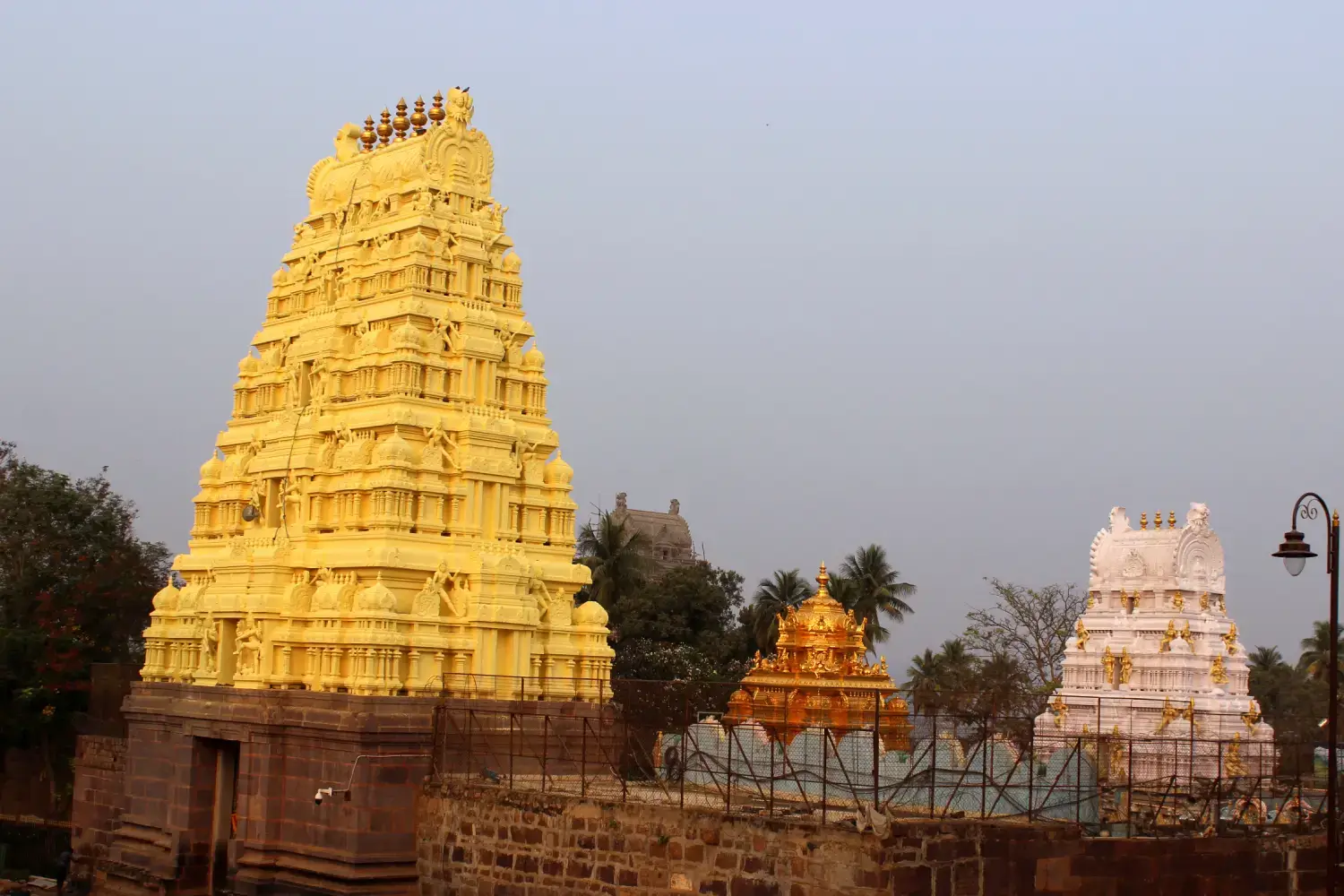
Mallikarjuna Jyotirlinga – Srisailam, Andhra Pradesh

Mallikarjuna Temple is popularly called ‘The Kailash of the South’. A tale from the Shiv Puranas says that when Kartikeya returned to Kailash, after taking around of the earth, Narada Muni informed him about Ganesha’s marriage before him. A furious Kartikeya went away to the Kraunch Mountain. All the Gods, including Shiv Parvati, tried consoling him but he turned them all. Witnessing their son in a state like this, Shiv and Parvati assumed the form of a Jyotirlinga and resided on the mountain.

This temple is also amongst the 275 Paadal Petra Shiva Sthangal. This temple is also one of the 18 Shakti Peethas of Goddess Parvati. It is the only temple in India which is both a Shakti Peetha and a Jyotirlinga.

Vaijnath Jyotirlinga – Parli, Maharashtra

Legend goes that once there was a war between the Gods and the Demons. Both were churning the ocean in order to find Amrit that was hidden there that would make them immortal. During this process, 14 gems emerged from the process that included Amrit and Dhanavantari. Just when the Demons were about to take them, Lord Vishnu hid both of them inside a Shiva Linga. When the d/emons tried to break the Linga, a bright light emerged from it which scared the Demons. Since the Gods received the Amrit, this place came to be known as Vaijanthi and the temple, Vaijnath.

It is believed that the person who visits this shrine attain moksha and gets rid of all miseries.

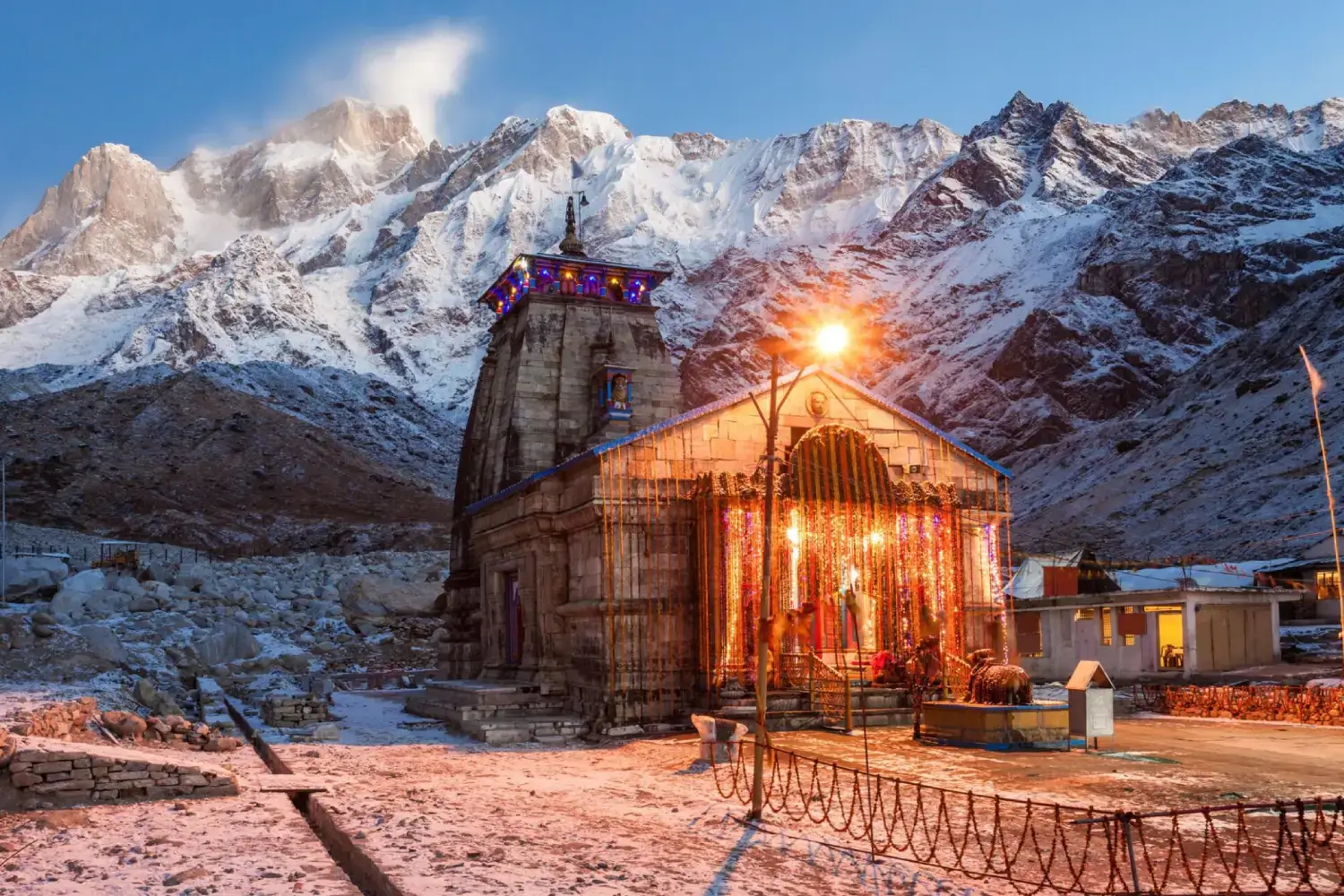
Kedarnath Jyotirlinga – Kedarnath, Uttarakhand

According to the legends, Lord Shiva dwelled here on Nara and Narayana’s request. Due to weather conditions and snowfalls, the shrine remains open to the pilgrims only for a period of 6 months. One believes that by visiting the shrine and bathing the Jyotirlinga, it can free them of all unhappiness, misfortunes and fulfill their desires.

Nageshwar Jyotirlinga – Darukavanam, Gujarat

According to a legend in the Shiv Puranas, there was once a Demon called Daaruka who imprisoned Supriya, a Lord Shiva devotee. Daaruka took Supriya along with many other to his city called Darukavana. It was a city under the sea which had many demons and sea snakes. Supriya along with others started praying to Lord Shiva who appeared before them and vanquished the Demon. Since then, he resided there in the form of a Jyotirlinga. This Temple is also called Nagnath Temple.

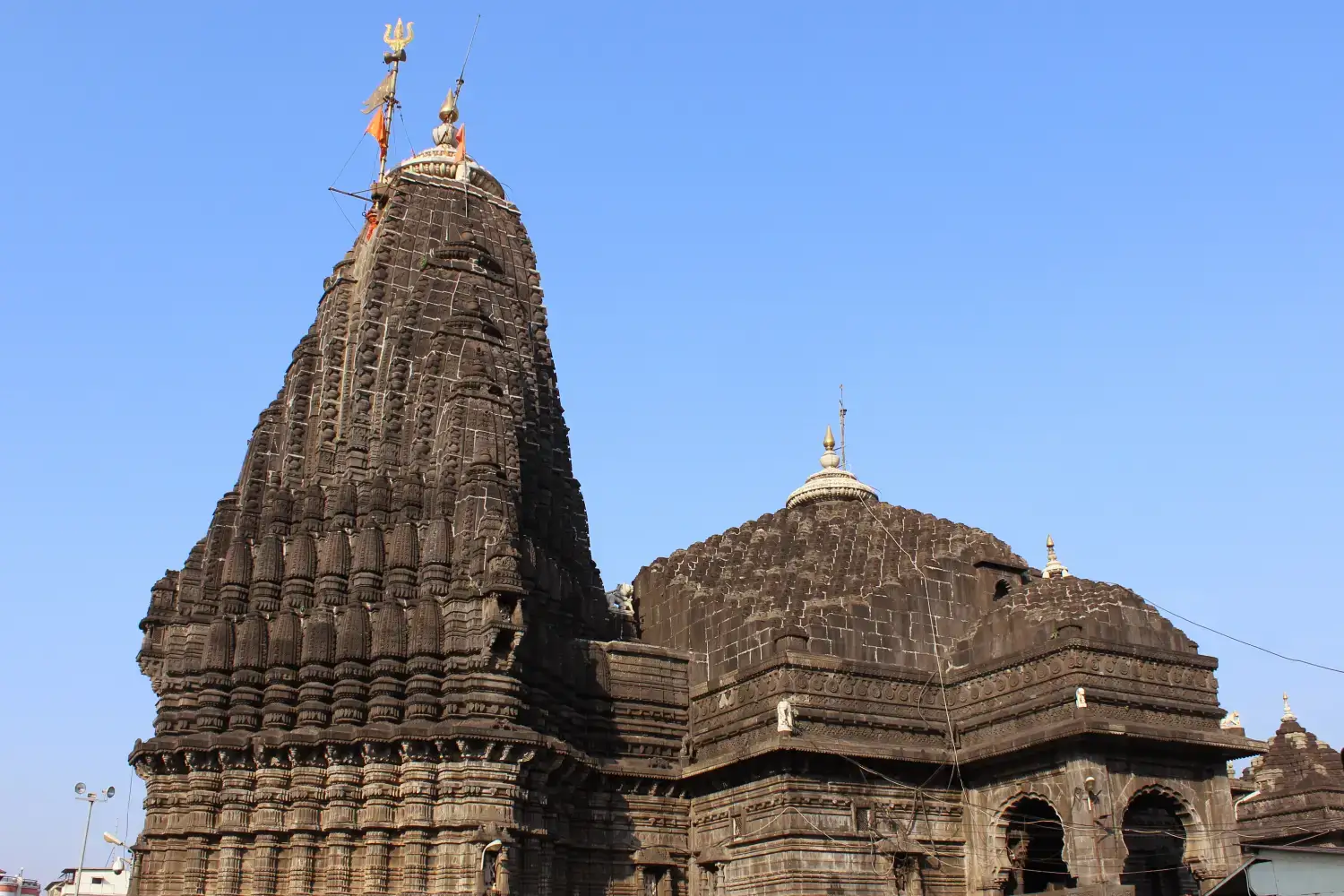
Trimbakeshwar Jyotirlinga – Nasik, Maharashtra

A legend from the Shiv Puranas narrates that Gautam Rishi received a boon from Varuna where he got a free supply of grain. He thus used to call many sages to eat at his house. However, one day he killed a cow for grazing his field. In order to wash away his sin, he started praying to Lord Shiva, who asked River Ganga to flow from here washing away all his sin.

On the earnest request of Gautam Rishi, River Godavari, and the other Gods, Shiva resided here in the name of Trimbakeshwar.

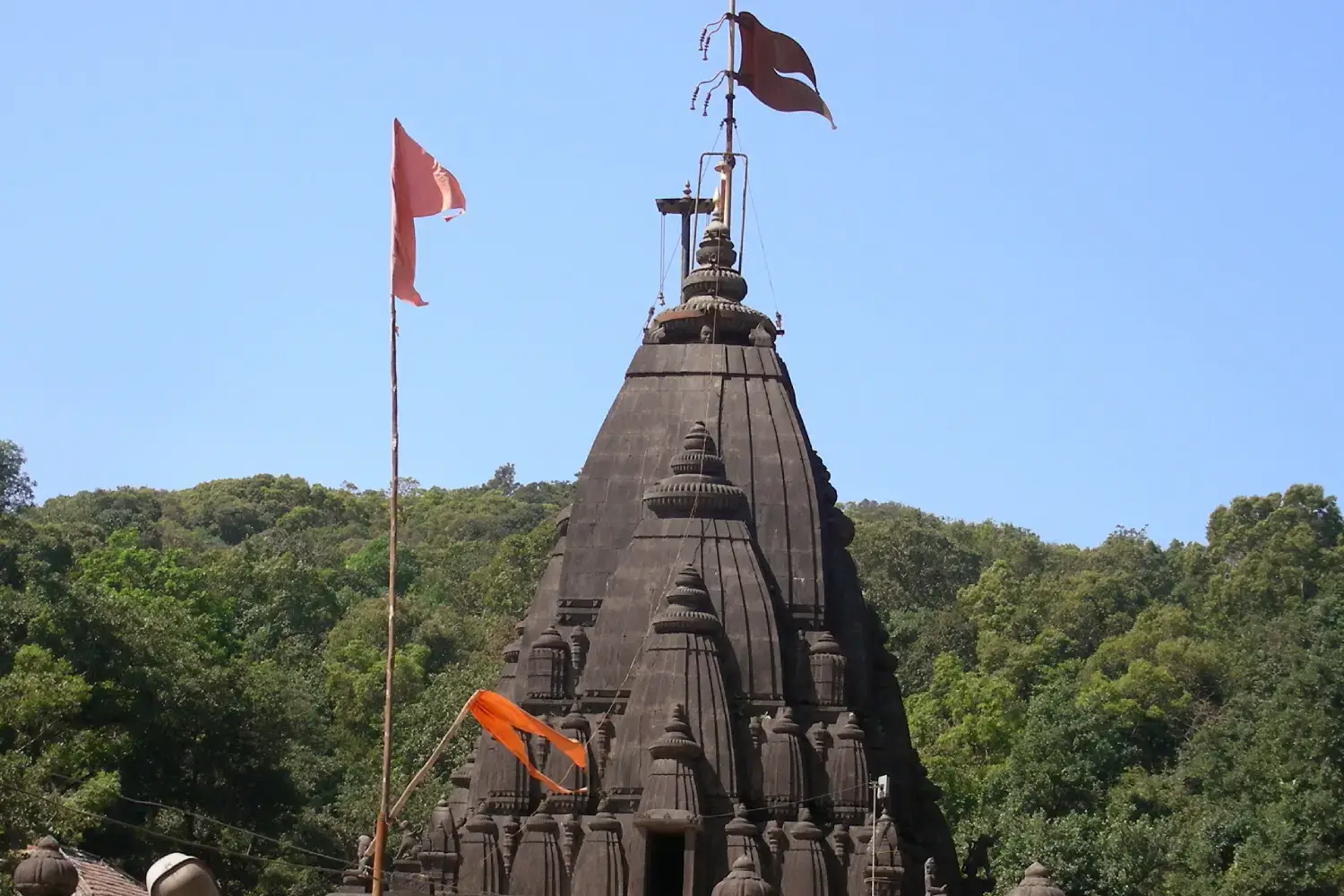
Bhimashankar Temple

According to the Legends, Bhima, the son of Karkati and Kumbhkaran lived in the dense forest with his mother. When he learned how his father was killed in the great war between Rama and Ravana he became furious. He started praying to Lord Bramha who blessed him with immense powers. With his powers, he started destroying everything and defeated almost every God. Witnessing this all the Gods along with Lord Bramha started praying to Lord Shiva.

Lord Shiva came to the rescue and defeated the demon. Since then, on everyone’s request, he manifested himself in the form of Bhimashankar.

Rameshwar Jyotirlinga – Rameshwaram, Tamil Nadu

A legend in Ramayana narrates that, Rama committed a sin of killing a Brahmin during his war against the Demon King Ravana. He prayed to Lord Shiva to absolve him of his sin. He asked Hanuman to bring a lingam from the Himalayas. Sita made a small lingam out of the sand and started praying when Hanumana was late. This is believed to be the lingam in the sanctum. It is here that Rama built the Ram Setu to save his wife, Sita from the Demon, Ravana. This shrine is also amongst the holy Char Dhams.

Grishneshwar Jyotirlinga – Aurangabad, Maharashtra

According to a legend in the Shiv Puranas, there lived a childless couple in the called Sudeha and Sudharm in Devagiri Mountain. Sudeha got his husband married to her sister, Ghushma. Soon, Ghushma and Sudharm were blessed with a boy. This left Sudeha jealous. She threw the boy in a lake where Ghushma used to discharge 101Lingams. On repeated prayers by Ghushma, Lord Shiva returned her son back to her. On the request of Sudharm, Lord Shiva manifested himself here in the name of Grishneshwar.

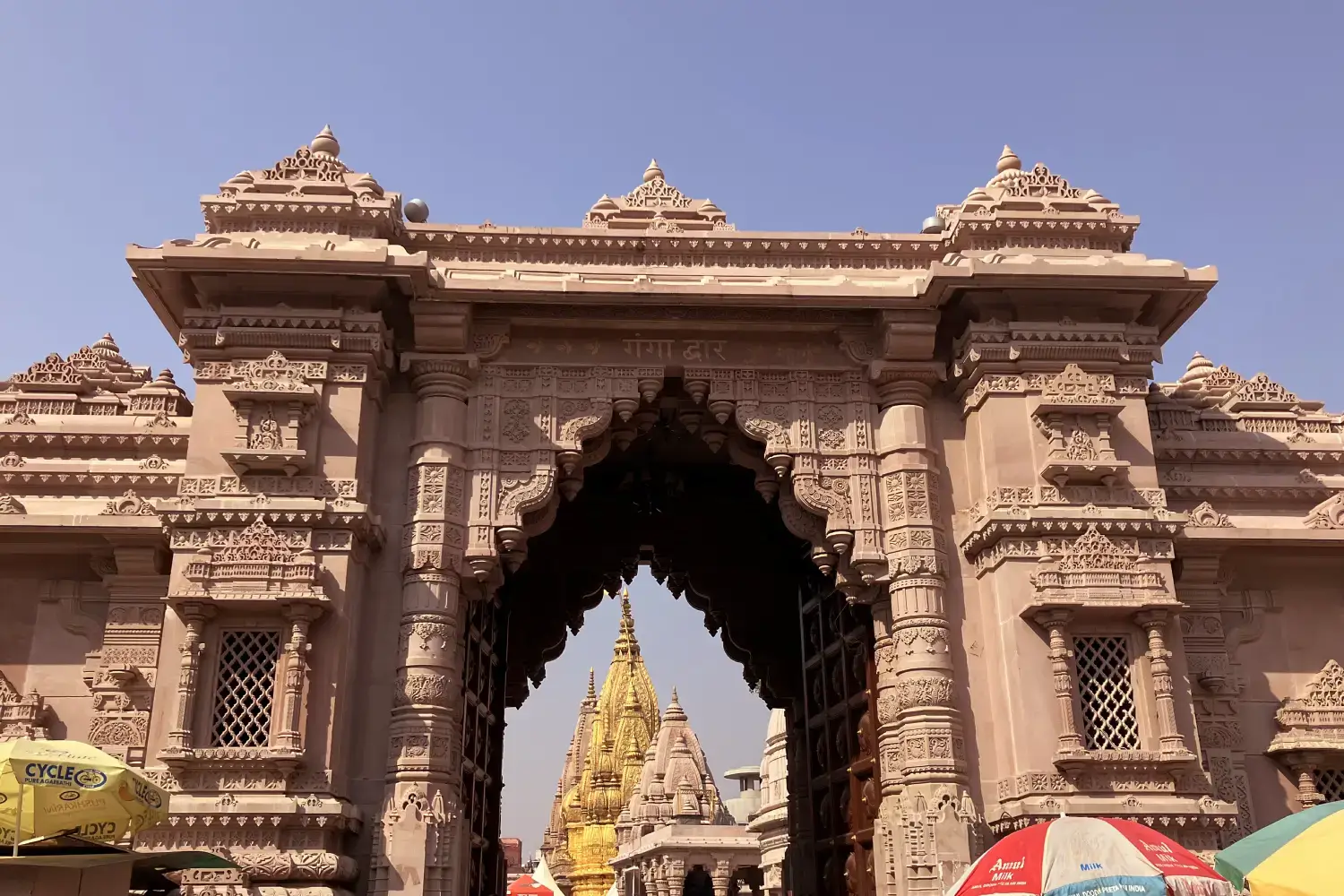
Kashi Vishwanath Jyotirlinga – Varanasi, Uttar Pradesh

The name ‘Kashi’ comes from the other name of Varanasi, Kashi. ‘Viswanath’ or ‘Vishveshwar’ means the ‘Ruler of the Universe’. The main deity here is called Vishwanath or Vishveshwar. This temple is popularly referred to as ‘The Golden Temple of Varanasi’. It is believed that a dip in the holy Ganges followed by a visit to the Temple help one attain Moksha. It is also believed that a true devotee of Shiva achieves freedom from death. They are taken directly to Mout Kailash by messengers of Lord Shiva and not Yama after their death. It is also believed that Shiva himself says the mantra of salvation in the ears of the people who die naturally here.

Monday, February 17, 2025

What do the 12 Jyotirlingas indicate?

 DO you know the 12 Jyotirlingas in India have been positioned in a progressive spiral.If you draw a line over the Jyotirlinga temples on map then the final result is the shape of a conch shell or the Fibonacci pattern. They say, this pattern is nature's secret code.

So what are Fibonacci numbers? A series of numbers in which each number is d sum of the two preceding number--1,1,2,3,5,8...Next number in the series will be 5+8 and so on. U can continue adding number in this series till infinity. This mathematical pattern is represented as a spiral.

In nature Fibonacci series are found everywhere. In the arrangement of sunflower seeds, pine cones,web of spider and also in the shape of conch shell. Below is the fibonacci pattern of Aloe Vera

Jyotirlingas are positioned in a progressive spiral? Law of energy states--Energy always balances itself. Energy flows from a point where it is concentrated to the colder universe. This is exactly the reason why air flows from a region of high pressure to low pressure.

Now look at the spiral pattern of Jyotirlingas . Arrows show the flow of life energy. It's believed that Lord Shiva appeared at d 12 Jyotirlingas as a column of fire. To a person who hs attained a certain degree of spirituality sees these lingas as columns of fire piercing through the earth.

Now let me show you the solar irradiation map of India. Rings a bell? The little deviations could be bcoz Jyotirlingas hv been on earth since very very long. I can not exactly point to the form of energy which flows from one linga to the other but I'm convinced Jyotirlingas ae sources of high energy. Be it solar,nuclear or spiritual energy! Exact form of energy not known. Did you knw LOTUS, holy flower in Hinduism, also follows Fibonacci pattern?

Burj Khalifa in UAE hs bn inspired by the shape of flowers as winds cause lesser damage to such shapes. Ostensibly! To every Hindu, ultimate purpose of life is moksha, which can be attained only wn u're at peace with urself. Or let's say, when one achieves BALANCE of flow of ENERGY within oneself.

Note : Fibonacci pattern is wat prevents universe frm collapsing. Most common shape of galaxies is spiral. So its very possible that the shape also helps in EASE OF FLOW of energy.

Wednesday, February 5, 2025

12 Jyotirlingas in India

 Om Tryambakam Yajamahe Sugandhim Pushtivardhanam. Urvarukamiva Bandhanan-mrityor Mukshiya Maamritat.

The Jyotirlingas represent the abodes of Shiva which are scattered profoundly around the country and also serve as the focal points of celestial power. The 12 Jyotirlingas (Dwadash Jyotirling) in India go beyond traditional rituals by unfolding the importance of both cultural heritage and spiritual development. A Jyotirlinga or Jyotirlingam is a religious representation of the ultimate God Shiva. The term is a combination of Jyoti, which means 'light', and lingam, which means 'icon or symbol' of Shiva.

Hindu devotees embark on a pilgrimage journey of 12 Jyotirlinga temple tours to understand the spiritual significance and attain enlightenment. They believed that all their sins would get washed away after visiting the temples of Lord Shiva. Therefore, to explore the twelve fascinating Jyotirlingas of India, we will take you on a spiritual tour to revitalise your soul and fill your life with blessings.

History of 12 Jyotirlingas Temples

History of 12 Jyotirlingas Temples

All 12 Jyotirlingas in India have a unique mythological tale of their own and showcase different faces of Lord Shiva. The history of the 12 Jyotirlingas Temples in the country makes the pilgrims learn about the mythical stories mentioned in the Puranas and sacred books. It is believed that Lord Shiva appeared in different forms where the pillar of light reached three different worlds and later became the Jyotirlingas.

According to the Shiva Mahapurana, once there was a fight between Lord Vishnu and Lord Brahma while arguing who was the supreme power in the whole universe. To resolve the conflict, Lord Shiva appeared and gave them a test by making a huge pillar of light. Shiva asked them to find the ends of the pillar and whosoever will find it will become the supreme one. Vishnu accepted his defeat while Brahma lied about finding the end of the pillar and this made Lord Shiva angry and cursed Lord Brahma. No one will worship Lord Brahma even though he is the creator of the universe.

Name & Locations of 12 Jyotirlingas in India

Lord Shiva Jyotirlinga Temples

Mainly there are 64 Jyotirlingas in the country but these twelve Jyotirlingas are considered highly auspicious and holy among the Hindu pilgrims.

Names of JyotirlingaLocation/State
Somnath JyotirlingGujarat
Mallikarjuna JyotirlingAndhra Pradesh
Mahakaleshwar JyotirlingMadhya Pradesh
Omkareshwar JyotirlingMadhya Pradesh
Kedarnath JyotirlingUttarakhand
Bhimashankar JyotirlingMaharashtra
Kashi Vishwanath JyotirlingUttar Pradesh
Trimbakeshwar JyotirlingMaharashtra
Baidyanath JyotirlingJharkhand
Nageshwar JyotirlingGujarat
Rameshwaram JyotirlingTamil Nadu
Grishneshwar JyotirlingMaharashtra

Somnath Jyotirlinga Temple, Gujarat

Somnath Jyotirlinga Temple, Gujarat

Gujarat’s Somnath Jyotirlinga is one of 12 temples of Lord Shiva in India and is said to be the first Jyotirlinga on Earth which has been an important religious destination for Hindus for years. The stunning architecture of the Somnath Temple has been reconstructed many times but still serves as a symbol of great faith and devotion among Hindu worshippers. People visiting the temple can offer prayers and aartis three times a day - in the morning, afternoon and evening. The temple lies close to the Arabian Sea and offers a mesmerising view to its visitors and devotees. The name of the temple is also mentioned in sacred books such as Shrimad Bhagwat Gita, Skanda Purana, Shiva Purana and Rig Vedas.

History and Spiritual Significance of Somnath Jyotirlinga Temple

The history of Somnath Temple tells that the temple was constructed with cold and silver metals but eventually got reconstructed several times after the destruction caused by invaders like Aurangazeb, Alauddin Khilji and others. The historical records of the Somnath Temple date back to the time period of 320 AD to 500 AD.

The temple's legendary traditions revolve around the 'Moon God' (Somdev), who preferred his wife Rohini over his other wives, the daughters of Daksha Parajati. All of this made Daksha Prajapati angry, and he cursed Somdev in response. Somdev lost his brightness due to the curse and he started worshipping the Jyotirlinga of Lord Shiva for 4000 years. Lord Shiva was impressed and granted the wish by allowing the moon to diminish the luminosity for only half of each month. Honoured by this, Somdev built a shrine of Lord Shiva as advised by Lord Brahma, which is presently the site of the Somnath Temple in Gujarat.

Temple Timings: 6:00 AM to 10:00 PM

Best time to visit: October to February

How to Reach?
  • Nearest Airport: Keshod Airport
  • Nearest Railway Station: Veraval Railway Station

Special Attraction The light and sound show ‘Joy Somnath’ every evening from 8 PM to 9 PM can be enjoyed by the visitors.

Mallikarjuna Jyotirlinga Temple, Andhra Pradesh

Mallikarjuna Jyotirlinga Temple, Andhra Pradesh

The Mallikarjuna Jyotirlinga has received the title of ‘The Kailash of the South’ because of its blissful location and stunning views of the environment. The Mallikarjuna Jyotirlinga which is also known by the name of Srisailam Temple lies in the magnificent hills of Nallamala in Andhra Pradesh and is surrounded by a serene Krishna River. The Jyotirlinga is a revered Shiva temple among the 12 Jyotirlinga temples that spread its spiritual significance among devotees and also shares its holy grounds with Goddess Bhramaramba Temple.

Mallikarjuna Jyotirlinga stands as a testament to ancient Indian temple architecture because of its intricate carvings along with being a centre of great Shaivite shrines in India.

History and Spiritual Significance of Mallikarjuna Jyotirlinga Temple

The roots of the temple trace back to the time of King Harihara Raya of Vijayanagar. Several rulers and kings such as Ikshvakus, Pallavas, Chalukyas, and Reddis contributed to the construction and maintenance of the structure. Chhatrapati Shivaji was also involved in the restoration of shrines.

According to the Shiva Purana, this sacred spot on Krauncha Mountain became home to a Jyotirlinga when Lord Shiva and Goddess Parvati appeared here to satisfy their son Kartikeya. Kartikeya was upset because his younger brother, Lord Ganesh, had married before him. Another legend claims that on a moonless night, Lord Shiva arrived here as Arjuna, while on a night with a full moon, Goddess Parvati appeared as Mallika. As a result, the location became known as Mallikarjuna.

Temple Timings: 4:30 AM to 10:00 PM

Best time to visit: October to February

How to Reach?
  • Nearest Airport: Rajiv Gandhi International Airport
  • Nearest Railway Station: Markapur Road Railway Station

Special Attraction

  • Visitors can enjoy the Jathra Mahotsavam in the month of March every year.
  • The only temple of Shiva where devotees are allowed to touch the Jyotirlinga.

Mahakaleshwar Jyotirlinga Temple, Madhya Pradesh

Mahakaleshwar Jyotirlinga Temple, Madhya Pradesh

Mahakaleshwar Jyotirlinga which is situated on the banks of Rudra Sagar Lake in the historic city of Ujjain in Madhya Pradesh is among the 12 most auspicious Jyotirlingas of India that is devoted to Lord Shiva. Pilgrims visit the Mahakaleshwar Jyotirlinga not only to offer prayers but also to get mesmerised by the exquisite and ancient style carving on the temple structure. From far-off places tourists and historians come to witness the spiritual hub of Mahakaleshwar. The Jyotirlinga is a self-originated structure and the temple showcases the architectural styles of Maratha, Bhumija and Chalukya.

The temple is a five-level structure and each level houses different forms of Shiva naming the Omkareshwara Linga, Nagchandreshwar Linga, Sidhnath, Gupteshwar and Dhwajeshwar and Mahakaleshwar Jyotirlinga along with the images of Goddess Parvati, Ganesha, Kartikey and Nandi.

History and Spiritual Significance of Mahakaleshwar Jyotirlinga Temple

The Mahakaleshwar Temple dates back to the fourth century BC, as mentioned in the Matsya Purana and Avanti Khanda. The temple was adored even throughout the Mauryan, Sunga and Gupta kingdoms. The Paramara dynasty in the 11th century was behind the temple's development and significance. However, despite many hurdles, the temple maintained its holiness and served as a place of devotion.

The Mahakaleshwar Jyotirlinga is mentioned in many ancient texts and chanting mantras which signify the spiritual culture and traditions of India. According to a legend, once Lord Shiva visited Earth to defeat a demon named Dushana he was making life miserable for sages and villagers. After defeating the demon, Lord Shiva appeared in the form of Mahakaleshwar Jyotirlinga, choosing to live in this holy city and shower his heavenly blessings ever since.

Temple Timings: 3:00 AM to 11:00 PM

Best time to visit: October to March

How to Reach?
  • Nearest Airport: Devi Ahilya Bai Holkar Airport
  • Nearest Railway Station: Ujjain Junction

Special Attraction: The ritual of Bhasma Aarti is performed at the time of dawn when the Shivling is bathed in ashes taken from the funeral pyre which draws millions of devotees, especially in the month of Sawan and Nag Panchami.

Omkareshwar Jyotirlinga Temple, Madhya Pradesh

Omkareshwar Jyotirlinga Temple, Madhya Pradesh

Omkareshwar Jyotirlinga is the fourth Jyotirlinga dedicated to the Lord and is located in the exquisite setting of Mandhata Island surrounded by the Narmada River in Madhya Pradesh. The river amplifies the beauty of the temple and attracts lakhs of pilgrims every year. A huge flock of tourists and devotees visit the Omkareshwar Jyotirlinga especially during the festivals of Shivratri and Kartik Poornima to offer prayers and dive into the spirituality of the environment.

The Jyotirlinga here brings out the charm of the Omkareshwar and Mamleshwar temples. The Mamleshwar temple and the Omkareshwar are separated by each other through a slim ridge. Hindu mythological books depict that the island where the Jyotirlinga lies is in the shape of the sacred symbol ‘OM’.

History and Spiritual Significance of Omkareshwar Jyotirlinga Temple

The Omkareshwar Temple has a long history that is well documented in historical records. Many Puranas indicate the temple, discussing its significance and origins. Historians think the temple was built in the eleventh century by the Paramara Kings of Malwa. Omkareshwar was brutally destroyed by Muslim invaders in the 13th century. Later, in the nineteenth century, Holkar rulers (primarily Rani Ahalya Bai Holkar) reconstructed and repaired the temple to its current state.

Many legendary stories and tales are associated with the Omkareshwar Jyotirlinga in Hindu mythology. According to one tale, 'Vindhya Parbat' performs devotion to satisfy Lord Shiva where Lord Shiva was pleased and granted Vindhya's aspiration to be larger than 'Meru Parbat'. The Linga that was worshipped by Vindhya Parbat was finally separated into two sections, 'Omkareshwar' and 'Mamleshwar', as requested by the gods and sages, symbolising the Shiva Lingam's wholeness. Another legend tells how King Mandhata and his sons pleased Lord Shiva through their mediation and Lord Shiva appeared in the form of Jyotirlinga. Some other tale describes how in a tremendous battle between the Devas and Asuras, Lord Shiva emerges as Omkareshwar.

Temple Timings: 5:00 AM to 10:00 PM

Best time to visit: October to March

How to Reach?
  • Nearest Airport: Devi Ahilya Bai Holkar Airport
  • Nearest Railway Station: Ujjain Junction

Special Attraction: : Every year at the time of the Maha Shivratri festival, a great carnival is organised along with a huge feast for the devotees.

Kedarnath Jyotirlinga Temple, Uttarakhand

Kedarnath Jyotirlinga Temple, Uttarakhand

Kedarnath Jyotirlinga is the most significant temple among the temples of Chardham Yatra and the highest among the 12 Jyotirlingas of Lord Shiva, situated in Uttarakhand’s Rudraprayag region at an elevation of 3,584 metres. The Kedarnath Dham is surrounded by snowy mountains and the river Mandakini flows in close proximity to the temple. Visiting the Jyotirlinga in the Himalayas will make one experience a sense of spirituality and peace in the environment there.

The temple not only attracts pilgrims for its religious significance but also offers wonderful views of the mountainous ranges. The challenging route, harsh climate and high altitude make the pilgrimage tour a significant journey towards Lord Shiva.

History and Spiritual Significance of Kedarnath Jyotirlinga Temple

The history of the temple of Kedarnath dates back to the 8th century when a great philosopher Adi Shankaracharya is believed to have built the temple. He popularised the Hindu religion in the country by introducing the Chardham Yatra among the citizens. Another legend has it that the Pandavas built it when they went towards the Himalayas to get rid of their sins to attain salvation and perform penance to Lord Shiva.

Temple Timings: 4:00 AM to 9:00 PM

Best time to visit: May to June and September to October

How to Reach?
  • Nearest Airport: Jolly Grant Airport
  • Nearest Railway Station: Rishikesh/Haridwar Railway Station

Special Attraction: : It’s very surprising to witness that the aarti mantras are recited in the Kannada language in the temple.

Bhimashankar Jyotirlinga Temple, Maharashtra

Bhimashankar Jyotirlinga Temple, Maharashtra

In the verdant Western Ghats of Maharashtra lies the sacred destination of Bhimashankar Jyotirlinga which showcases the perfect blend of spirituality and natural beauty. The Jyotirlinga is located close to the Bhima River which is the largest tributary of the Krishna River and is surrounded by the hills of the Sahyadri Range.

Bhimashankar Jyotirlinga is among the twelve Jyotirlinga Shrines of Shiva which displays its rich culture and significance through its architectural wonder, the well-crafted Nagara style craftsmanship is a great reason for its attraction. The temple region is also a paradise for nature lovers and wildlife enthusiasts because of its recognised wildlife sanctuary that offers a peaceful and divine experience to visitors.

History and Spiritual Significance of Bhimashankar Jyotirlinga Temple

The temple is referenced in various ancient books, including the Shiva Purana, and its origins can be traced back to history. The structure of the temples expanded over the years, with several dynasties and emperors, notably the Chalukya and Maratha, contributing to its construction.

The old legends and tales speak of Bhimashankar Jyotirlinga’s history where Lord Shiva appeared in the ‘Rudra’ form to defeat the demon Tripurasura. The demon was a great threat to the three realms of the universe: Heaven (Swarglok), Earth (Bhulok) and Netherworld (Patalok) as it was destroying everything that was in his way. Lord Shiva after defeating the demon rested on the Sahyadri Mountains and while resting, the sweat released from his body formed the Bhima River. The Gods and Goddesses asked Shiva to live here in these mountains in the form of Jyotirlinga which became a divine site of Bhimashankar Jyotirlinga.

Temple Timings: 5:00 AM to 9:30 PM

Best time to visit: October to February

How to Reach?
  • Nearest Airport: Pune International Airport
  • Nearest Railway Station: Karjat Junction

Special Attraction: : The wildlife sanctuary is a major site for witnessing the wild and the area is also dotted with other religious destinations like the Gupt Bhimashankar, the Hanuman Lake and many more.

Kashi Vishwanath Jyotirlinga Temple, Uttar Pradesh

Kashi Vishwanath Jyotirlinga Temple, Uttar Pradesh

In the sacred city of Varanasi, Kashi Vishwanath Jyotirlinga is among the Dwadasa Jyotirlinga which is located close to the banks of the Ganga River and captures the attention of millions of pilgrims to offer their prayers and seek blessings from Lord Shiva. The temple of Kashi Vishwanath is also known as the ‘Golden Temple of Varanasi’ because of its gold-plated dome.

The Kashi Vishwanath beautifully represents the cycle of life and death. While wandering through the narrow lanes around the temple, visitors can hear the songs of the bells ringing, the view of the holy aartis and the feel of spirituality that will fill their hearts with wholesome divinity.

History and Spiritual Significance of Kashi Vishwanath Jyotirlinga Temple

The history of the Kashi Vishwanath Jyotirlinga temple dates back to around 2500 years ago as it is believed that the temple was built by King Vikramaditya. The temple also occurs in the Kasha Kandra, an ancient document that the temple might be as old as the sixth century. The temple is even mentioned in several holy books of Hindus.

The legendary story that is associated with the Jyotirlinga is that Lord Shiva presented himself as a beam of a huge pillar to solve the problem between Lord Brahma and Lord Vishnu where they would need to find the ends of the pillar to become the supreme power. No one succeeded in finding the ends of the pillar but Lord Brahma lied about the fact and made Shiva curse him to be not worshipped by anyone and gave the title of supremacy to Lord Vishnu. After the huge pillar disappeared from the three realms, a small portion of it remained here and became the Vishwanath Jyotirlinga.

Temple Timings: 3:00 AM to 11:00 PM

Best time to visit: November to February

How to Reach?
  • Nearest Airport: Lal Bahadur Shastri International Airport
  • Nearest Railway Station: Varanasi Junction

Special Attraction:

  • People believe that while looking at the golden spire if one asks for a wish, it gets fulfilled.
  • Also, it is believed that if a person lives or dies here will attain moksha.

Trimbakeshwar Jyotirlinga Temple, Maharashtra

Trimbakeshwar Jyotirlinga Temple, Maharashtra

Trimbakeshwar Jyotirlinga is captivated by the majestic mountains of Brahmagiri mountains in Nasik, Maharashtra dedicated to Lord Shiva. The sacred River Godavari near the temple is induced with a spiritual aura which offers tranquil views to the visitors.

The Jyotirlinga has a huge significance among the pilgrims visiting the temple because it houses the lingam with three faces that represent Lord Shiva, Lord Brahma and Lord Vishnu. The Trimbakeshwar Jyotirlinga is among the popular Hindu temples in India because of its unique lingam and exquisite architecture.

History and Spiritual Significance of the Temple

The temple history of Trimbakeshwar says that the temple was originally constructed by Nana Saheb Peshwa, a Maratha ruler during the 18th century which amplifies the beauty and architectural greatness of the structure along with connecting its ties with the Hindu legends and texts. The temple's history also has a connection with the Kumbh Mela, a significant event held in the holy city of Nashik every 12 years.

Many legendary tales are associated with Trimbakeshwar Jyotirlinga Temple, one such is where sage Gautam accidentally became the reason behind the death of a cow during his refuge in the Brahmagiri Hills. To get rid of his sin, he started worshipping Lord Shiva near the banks of the River Ganga to purify his soul. The water poured down as the Godavari, seeing this act of divine intervention, the gods praised Lord Shiva and begged him to reside here as the Trimbakeshwar Jyotirlinga. The holy pond where the Godavari originated in the temple premises is called Kushavarta. Another legendary tale speaks of Trimbakeshwar Jyotirlinga’s history where Lord Shiva appeared in the form of three lingas representing Brahma, Vishnu and Mahesh (Shiva).

Temple Timings: 5:30 AM to 9:00 PM

Best time to visit: November to February

How to Reach?
  • Nearest Airport: Nashik Airport
  • Nearest Railway Station: Nashik Road Railway Station

Special Attraction:

  • The uniqueness of the Jyotirlinga is its three faced linga that attracts millions of devotees from all over the world.
  • Pilgrims take a holy dip at ‘Kushavarta’, the birthplace of River Godavari.

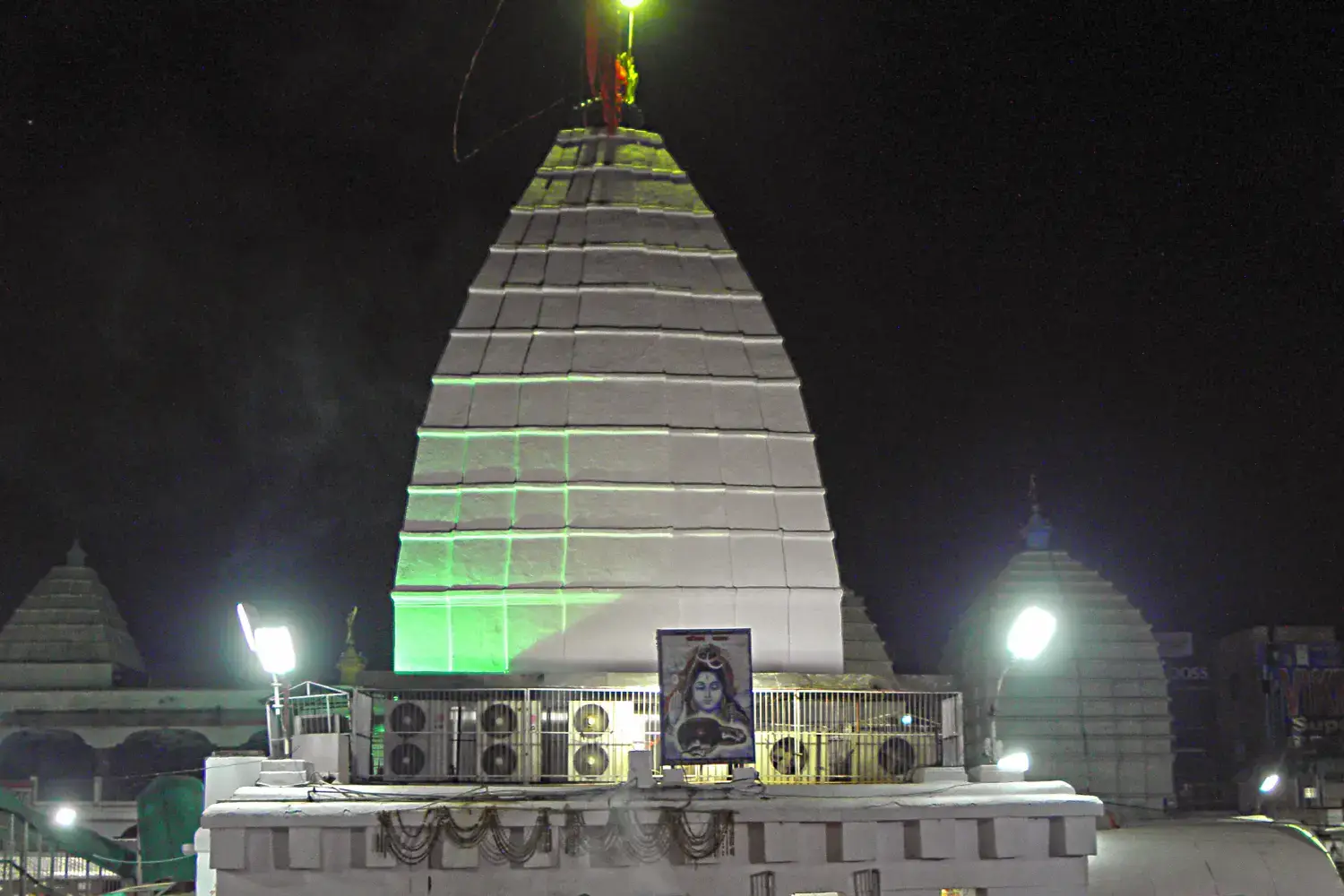
Baidyanath (Vaidyanath) Jyotirlinga Temple, Jharkhand

Baidyanath (Vaidyanath) Jyotirlinga Temple, Jharkhand

In the Jharkhand state of India lies the Baidyanath (Vaidyanath) Jyotirlinga which is believed to be one of the popular Lord Shiva temples in India because of its grand structure and religious significance among pilgrims. The Vaidyanath Jyotirlinga also called Baba Baidyanath Jyotirlinga which is located in the Deoghar district of Jharkhand, annually hosts the ‘Shravan Mela’ which attracts millions of devotees to offer holy water on the Shiv Linga to showcase their deep devotion towards him.

The temple's sacred presence, together with Deoghar's peaceful surroundings, provides a place for spiritual refreshment for both devotees and tourists. Pilgrims visiting the Jyotirlinga of Vaidyanath highly believe that praying at this temple will bring health and wealth upon them.

History and Spiritual Significance of the Temple

The history of the temple goes back to the time of the last Gupta emperor, Adityasena Gupta of the 8th century AD. The temple maintained its importance even during the Mughal era of India.

One of the most fascinating tales is associated with the Baba Baidyanath Jyotirlinga where the demon king, Ravana chopped down his 9 heads to win Lord Shiva’s attention. Shiva appeared in front of Ravana as a healer (Vaidya) and joined the heads to his body again which gave the name to the place as Baidyanath Dham.

Another tale where Ravana asked Lord Shiva to make Lanka his home and gave him a linga in exchange. However, during his journey, Ravana was asked not to keep the lingam down. The gods started wondering and asked Varuna Dev to break his journey. Lord Varuna tricked Ravana by making him thirsty and appeared as a Brahmin to help him with the lingam. As Ravana went to comfort himself, Lord Vishnu laid the linga on the ground and disappeared. When Ravana returned, he discovered the linga which was anchored to the earth and couldn't move it. He understood that he was tricked and later bowed to it, which is now believed to be Deoghar.

Temple Timings: 4:00 AM to 9:00 PM

Best time to visit: October to March

How to Reach?
  • Nearest Airport: Atal Bihari Vajpayee International Airport
  • Nearest Railway Station: Jasidih Junction

Special Attraction: ‘Shravan Mela’ is annually hosted in the region which attracts lakhs of devotees for ‘Kanwar Yatra’ from different parts of the country.

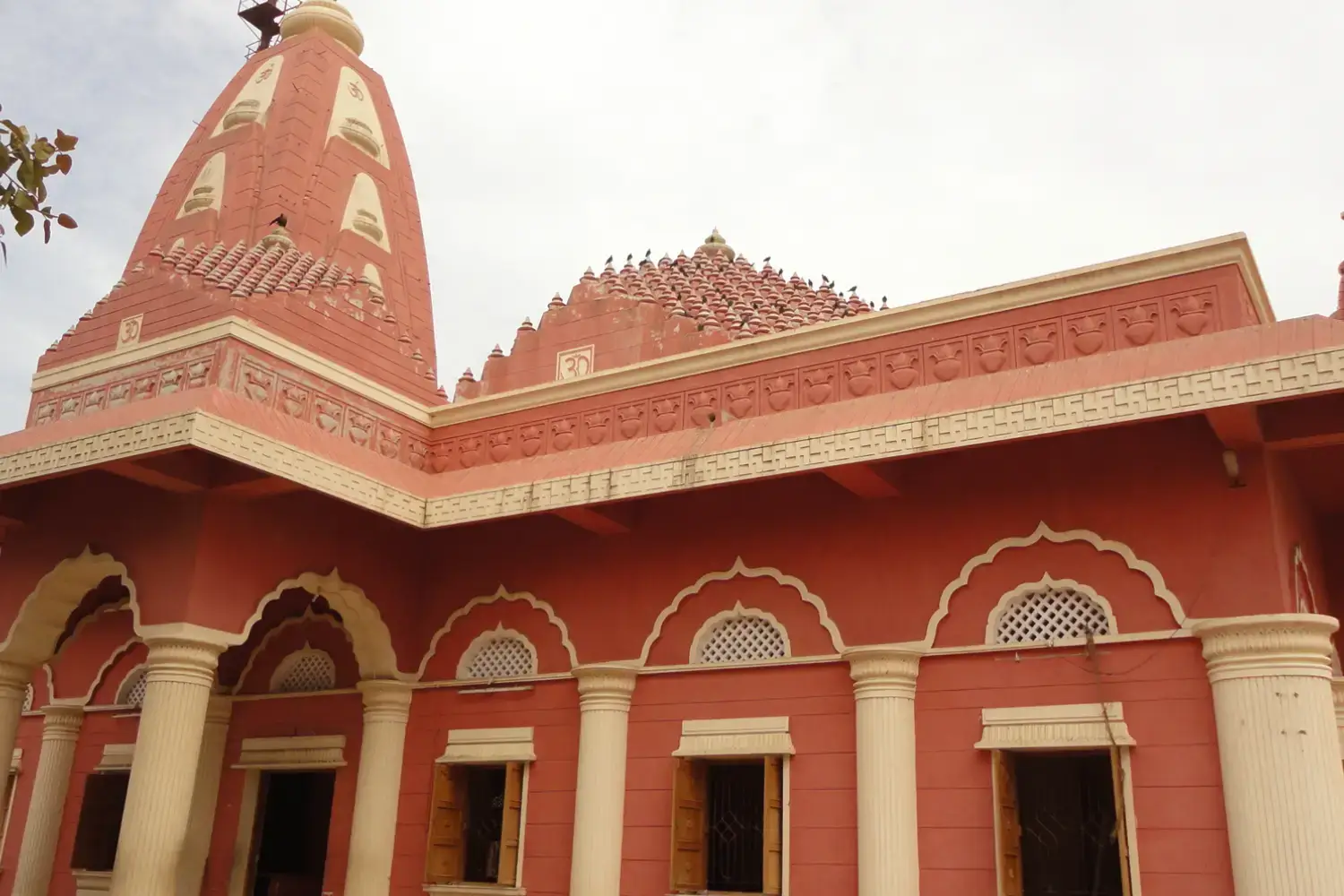
Nageshwar Jyotirlinga Temple, Gujarat

Nageshwar Jyotirlinga Temple, Gujarat

In the western region of India lies the Nageshwar Jyotirlinga in Gujarat which is dedicated to Lord Shiva. The name of the temple ‘Nageshwar’ means ‘Lord of Snakes’ which honours Shiva's victory over the demon Daruka. People believe that the Jyotirlinga has the power to protect from all kinds of poisons, especially snake poisons and the reference is also mentioned in the Sacred Rudra Samhita.

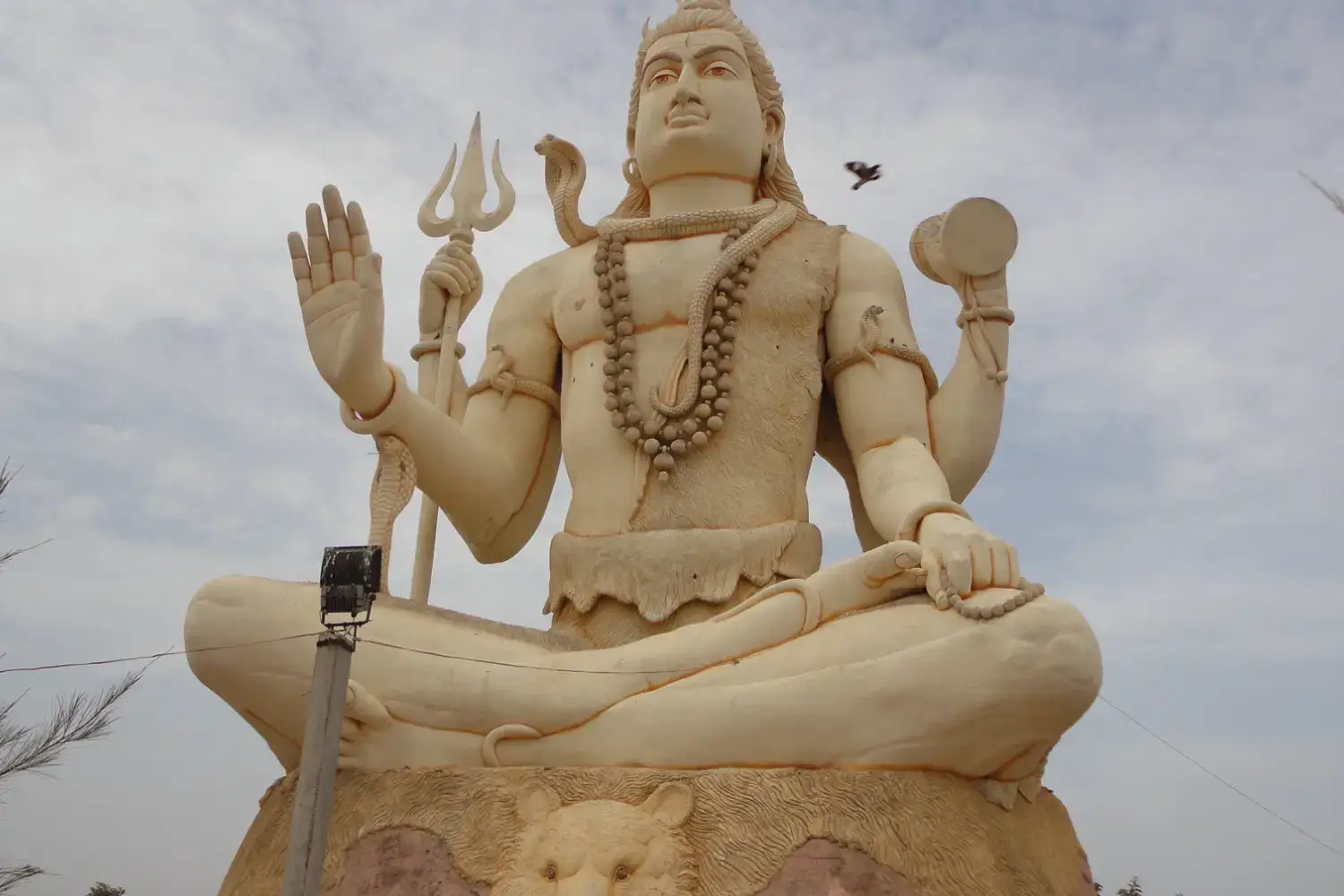
The devotees are permitted to enter the sanctorum and conduct abhishek on the linga alongside the local priest, but only in traditional clothing. The site of the temple has a massive statue of a seated Shiva that can be viewed from a distance. Inside the temple, the Shiva’s structure is a symbol of peace and faith for the pilgrims. People visiting the temple of Nageshwar Jyotirlinga get to experience a peaceful environment and spiritual enlightenment.

History and spiritual significance of the Temple

The history of Nageshwar Temple has roots that trace back thousands of years and the current structure of the temple is quite modern as it has undergone many renovations. The current temple stands exactly at the same point where the previous temple used to be, as people believe the old temple is submerged underwater.

Many tales and legendary stories are associated with the temple, one among them is mentioned in the Shiv Purana which tells the story of the demon named Daruka who was blessed by the boons of Goddess Parvati. Daruka misused the power to make the local villagers fear him and also imprisoned a devoted follower of Shiva, Supriya along with others. The followers of Shiva started praying to save them from this torture which made Daruka enraged. The demon went to harm Supriya but Lord Shiva appeared as a Jyotirlinga to act as a shield for everyone which is presently the Nageshwar Jyotirlinga today.

Temple Timings: 5:00 AM to 9:00 PM

Best time to visit: October to March

How to Reach?
  • Nearest Airport: Jamnagar Airport
  • Nearest Railway Station: Dwarka Junction

Special Attraction: Hindu pilgrims can conduct pujas and Abhishek inside the temple beside the priest only in traditional attire.

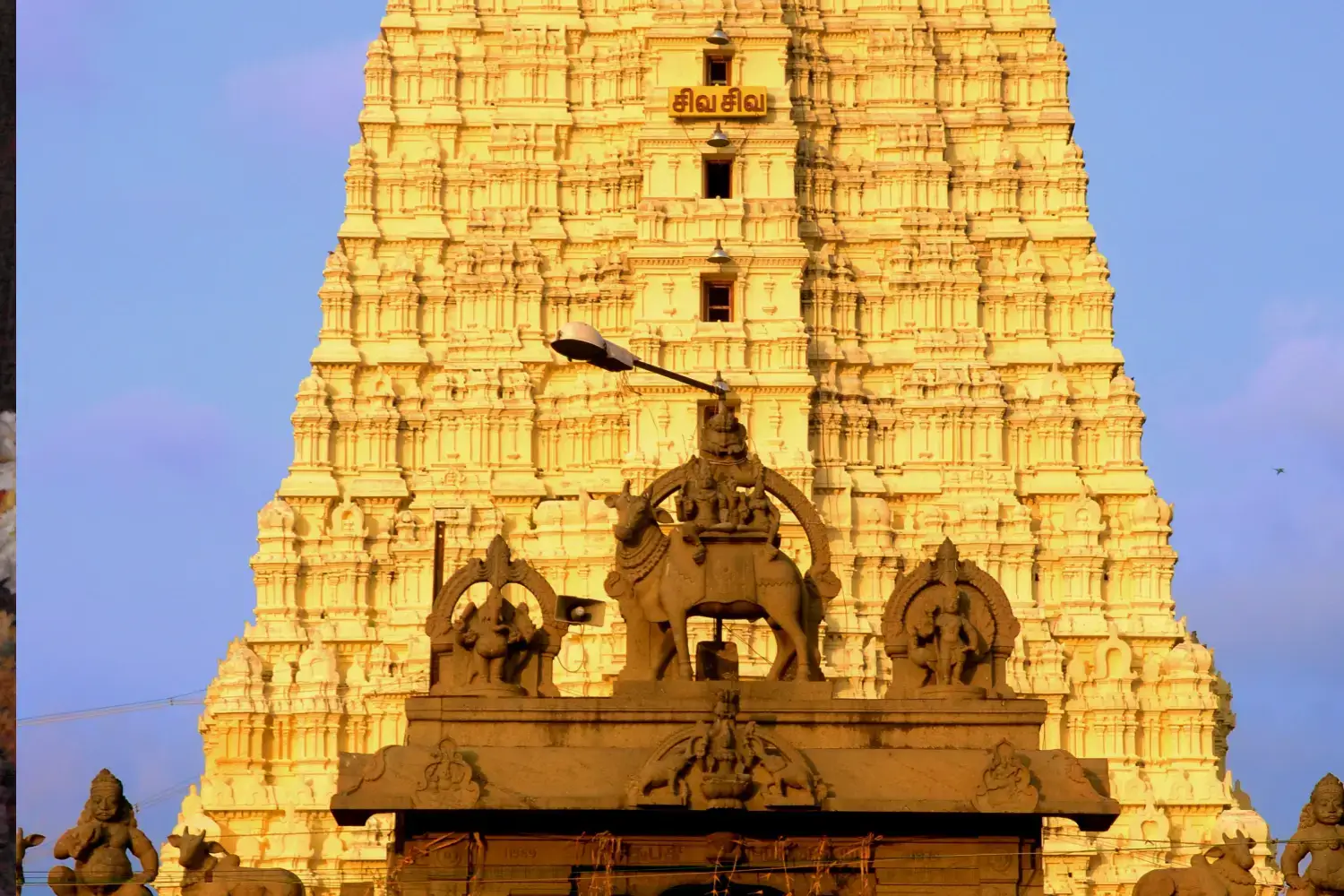
Rameshwaram Jyotirlinga Temple, Tamil Nadu

Rameshwaram Jyotirlinga Temple, Tamil Nadu

The Ramanathaswamy Temple in Tamil Nadu houses the Rameshwaram Jyotirlinga which is a part of the Bada Chardham Yatra for Hindus along the 12 Jyotirlingas of India. The Jyotirlinga of Rameshwaram lies on the Pamban island of Tamil Nadu and people need to cross the Pamban bridge to reach the temple. Rameshwaram Temple has great significance among its devotees as it is a perfect example of belief, mythology and architecture.

Both the Jyotirlinga Shrines of Ramalingam and Vishvalingam are placed side by side inside the sanctum where the idol of Vishvalingam is worshipped before the Ramalingam. The Ramanathaswamy Temple in the south represents Lord Rama's unbreakable devotion to Lord Shiva, as evidenced in its name, which means 'Master of Rama'. The temple surrounds many other significant sites such as ‘Agnitheertham’, ‘Gandhamadhana Parvatham Temple’, ‘Panchmukhi Hanuman Temple’ and ‘Rama Setu’ among others.

History and Spiritual Significance of the Temple

The history of the temple dates back to the 12th century when the construction of the temple began on Pamban Island and was completed in different eras by different rulers.

According to a fascinating tale, the city of Rameshwaram became holy when Lord Rama started worshipping Lord Shiva after returning from Lanka where he defeated the Demon King Ravana.

To get rid of his sin of killing Ravana and asking for penance, Rama started worshipping the Shivling. Hanuman was asked to bring a Shivling from the Himalayas but he delayed so in return, Goddess Sita made a Shivling out of the sand.

Temple Timings: 4:30 AM to 9:00 PM

Best time to visit: October to March

How to Reach?
  • Nearest Airport: Madurai Airport
  • Nearest Railway Station: Rameshwaram Railway Station

Special Attraction:

  • The festivals of Maha Shivaratri, Thirukalyanam, Mahalaya Amavasai and Thai Amavasai are celebrated with deep devotion and zeal.
  • ● Devotees visiting the site must take a dip in the sacred 22 ‘theerthams’ (holy water tanks) before entering the inside structure of the Shivling.

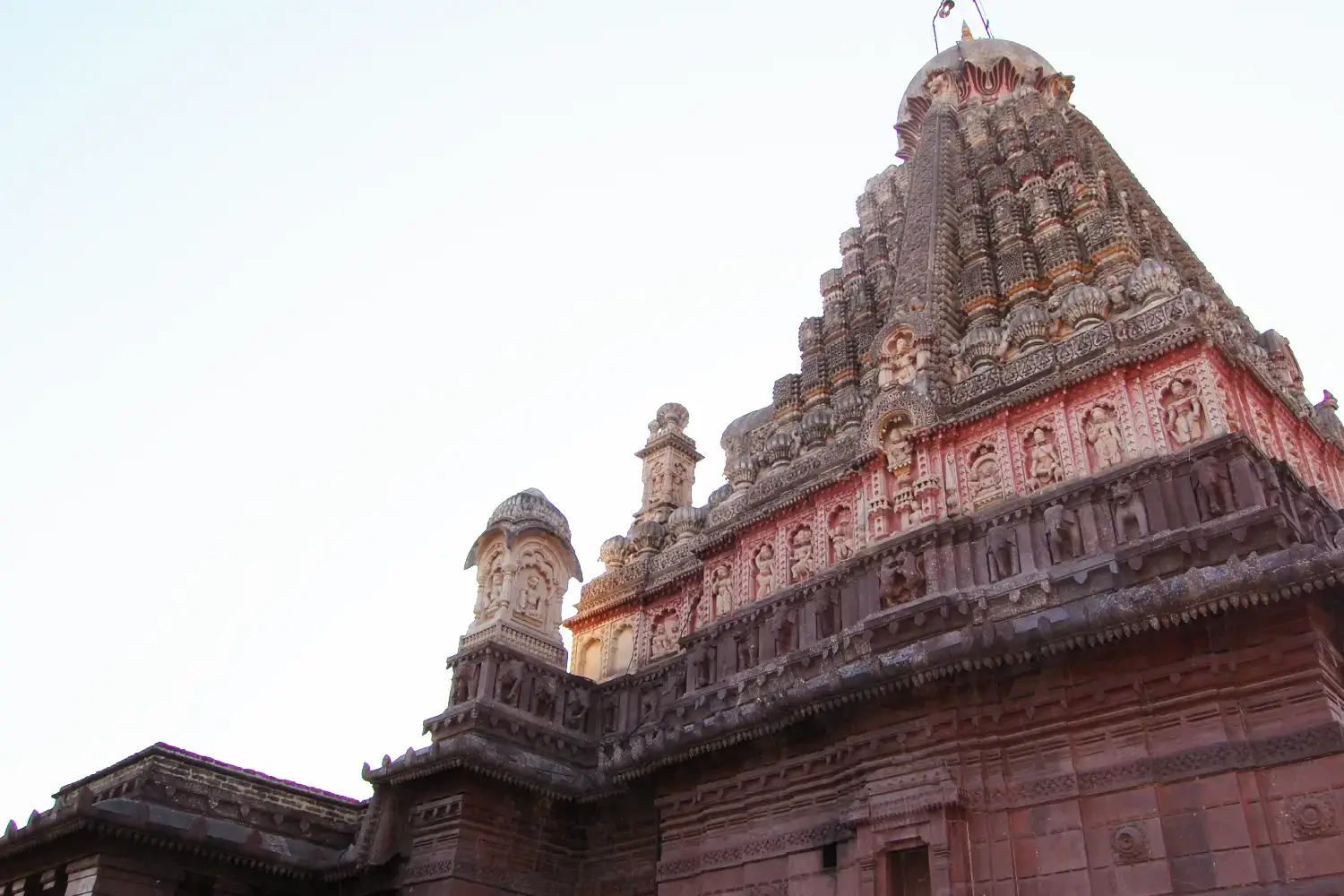
Grishneshwar Jyotirlinga Temple, Maharashtra

Grishneshwar Jyotirlinga Temple, Maharashtra

Grishneshwar Jyotirlinga, a renowned lingam of Lord Shiva is situated near the Aurangabad city of Maharashtra. The Grishneshwar Temple is also known by the name of Ghushmeshwar Temple and the calm atmosphere and spiritual flavour of Ghrishneshwar continue to attract both pilgrims and visitors from different parts of the country.

The architectural carvings and sculptures highlight the richness of the mediaeval Indian culture. Red and black stones were used for the construction of the 5 storied Shikara style structure. People visiting the temple can witness the carvings of Vishnu’s Dasavatar on the walls of the temple.

History and Spiritual Significance of the Temple

The origins of the Grishneshwar temple of Maharashtra date back to the 13th century. The Grishneshwar Temple which is also known as Gru Someshwara and Kusum Eswarar was built during the reign of Queen Ahilyabai Holkar, queen of the Malwa Kingdom during the 18th century.

According to a legendary tale, the temple is believed to have been built by a woman named Ghushma or Kusuma who was a great devotee of Lord Shiva. As mentioned in the Shiv Purana, Ghushma’s son was killed by her sister and to overcome her grief, she started praying to Shiva and satisfied by her unwavering faith, Lord Shiva restored her son’s life. At Ghushma's request, Shiva manifested forever as the Grishneshwar Jyotirlinga at this location.

Temple Timings: 5:00 AM to 9:30 PM

Best time to visit: October to February

How to Reach?
  • Nearest Airport: Aurangabad Airport
  • Nearest Railway Station: Aurangabad Railway Station

Special Attraction: Visit the Ellora Caves, a UNESCO World Heritage Site adjacent to the Grishneshwar Jyotirlinga Temple.

India is a diverse land steeped in devotion as it is home to many temples and forms an important pilgrimage destination for the devotees of Hinduism. For the devotees of Lord Shiva, the 12 Jyotirlinga temples are scattered throughout the nation. The 12 Jyotirlingas together are not only known for their religious significance but also for their place in mythology, epics and wonderful architecture. The Jyotirlinga temple tour of India will remain incomplete without visiting these highly significant and sacred 12 Jyotirlingas of Lord Shiva discussed above. Explore the gorgeous land of India by learning about these Jyotirlingas and feel the spirituality and devotion of these ancient temples.