Some animals can live for over a century, defying time itself. According to the International Fund for Animal Welfare, here are the top 10 longest-living creatures on Earth.
1) Glass Sponges: 10,000 years-15,000 years
.jpg)
Source: Reddit
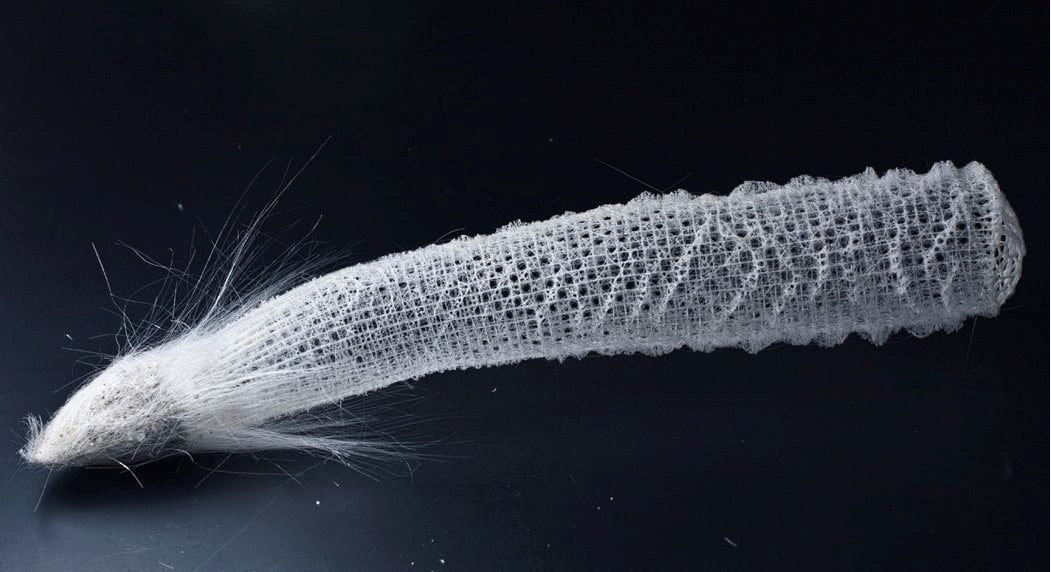
Glass Sponges are the oldest living creatures in the world. Glass sponges (Hexactinellida) are deep-sea animals with silica-based, glass-like spicules forming intricate skeletons. Some create “glass houses” that remain intact after death.
Their skeletons and chemicals help defend against predators, though some starfish still feed on them. Thy attach to hard surfaces, filtering bacteria and plankton while providing shelter for others.
According to scientists, these glass sponge reefs went extinct 40 million years ago, leaving behind massive fossil cliffs spanning Spain, France, Germany, and Romania. These reefs seemed lost to time.
Source: Futurity
However, in 1987, Canadian scientists uncovered 9,000-year-old living glass sponge reefs off British Columbia’s northern coast—the only known reefs of their kind today. These deep ocean creatures can live up to more than 10,000 years and a maximum of 15,000 years.
A glass sponge found in Antarctica’s Ross Sea is believed to be the oldest living animal on Earth. Scientists also discovered a glass sponge skeleton in the East China Sea, estimated to be 11,000 years old—so ancient it may have lived during the last Ice Age.
2) Black Coral: 5,000 years
Source: Lanzarote Villa Choice
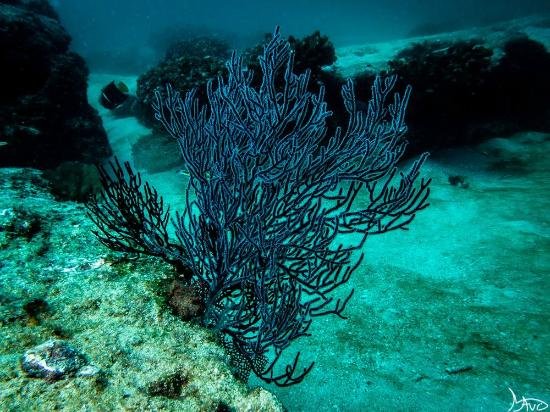
Black coral (Antipatharia) is a deep-sea coral known for its dark, tree-like skeleton. Unlike reef-building corals, it lacks symbiotic algae and thrives in deep, cold waters. Its flexible, black skeleton has been used for jewellery, but overharvesting has made some species endangered.
And to your surprise, two of the oldest corals were found in the deep oceans of Hawaii. Additionally, there is a golden coral too, which is estimated to live up to 2,740 years, whereas the black coral is estimated to live up to 4,270 years.
.jpg)
Source: Adobe Stock
Golden coral refers to a rare and slow-growing deep-sea coral, primarily found in the Pacific Ocean, particularly around Hawaii. Some golden corals, like Gerardia, can live for thousands of years, making them one of the longest-living marine organisms.
Black corals provide shelter for many marine creatures and can live for thousands of years, with some specimens estimated to be over 4,000 years old, making them among the longest-living marine organisms.
3) Giant Barrel Sponges: 2,300 years
Advertisement
Source: American Oceans
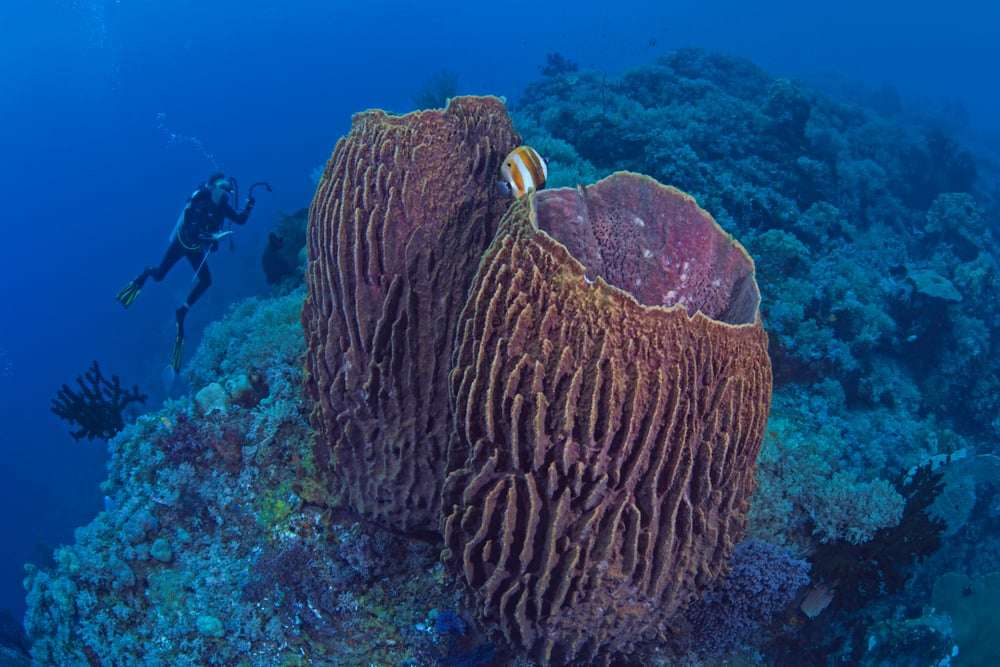
The giant barrel sponge (Xestospongia muta) is one of the largest and longest-living sponges in the ocean. Found in the Caribbean Sea and surrounding tropical waters, it has a barrel-shaped structure that can grow over 6 feet (1.8 meters) tall.
Some giant barrel sponges are estimated to be over 2,000 years old, making them one of the oldest living animals in the ocean. Due to their size and longevity, they are often called the "redwoods of the reef."
One of the longest-living giant barrel sponges was found by some men near Key Largo, Florida, and may have lived over 2,300 years. This means they began their lives during the time of the Roman Empire.
These sponges play a vital role in marine ecosystems by filtering large amounts of water, removing bacteria, and providing shelter for various marine species.
4) Greenland Sharks: 500 years
Source: Shark Angels
Greenland is the world's largest island, located between the Arctic and Atlantic Oceans, east of Canada and northwest of Europe. The island is known for its Arctic climate, stunning glaciers, and unique wildlife, including polar bears and whales.
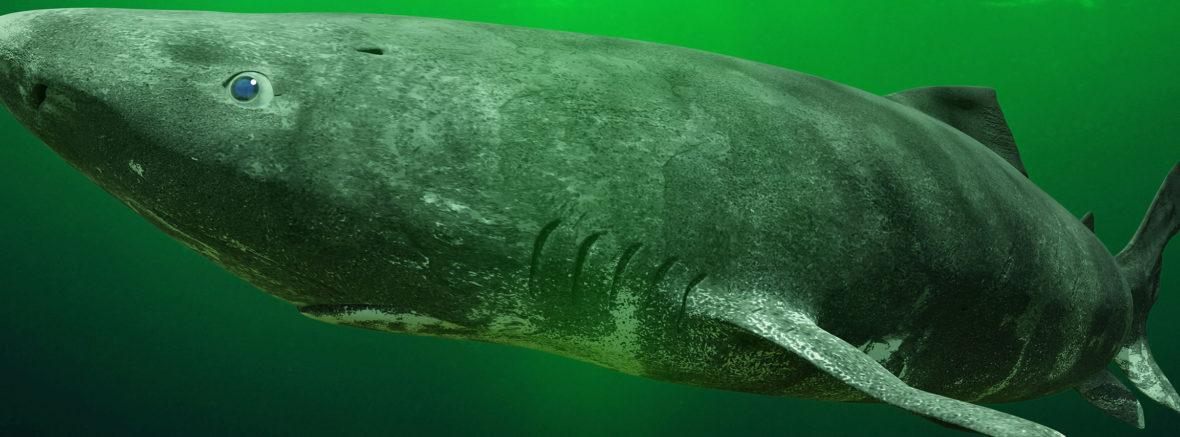
But there’s more; it is also the home for the Greenland Shark, which is one of the largest cartilaginous fishes. This means Greenland sharks are the longest-living vertebrates in the world.
A female Greenland shark reaches her sexual maturity at the age of 156, after which she is ready to breed, welcoming her pups into the world.
.jpg)
Source: Forbes
These sharks can live up to 500 years and are considered in the list of the top predators. These sharks weigh 1,000 kg (2,200 lb), reaching a maximum confirmed length of 6.4 m (21 ft) long.
These are also known as gurry sharks or grey sharks, and to your shock, their meat is considered toxic for mammals due to its high levels of trimethylamine N-oxide. In Iceland, their treated form is eaten as a delicacy known as kæstur hákarl.
The reason for their long lifespan is that these sharks thrive in the cold waters of the North Atlantic and Arctic Oceans, which probably slows down their metabolism and biochemical activity, which inversely extends their lifespan.
5) Rougheye Rockfish: Over 200 years
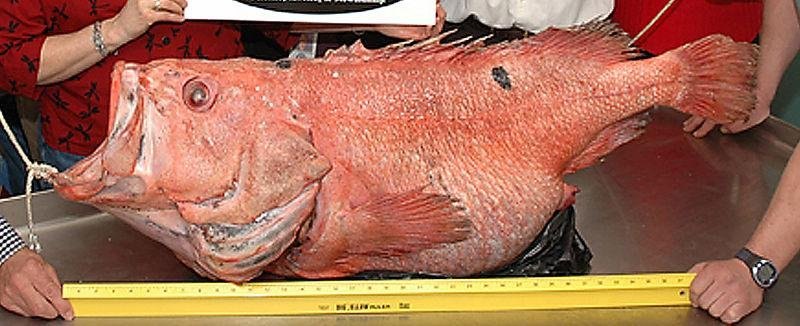
Source: UPI
Rougheye rockfish are a special kind of deepwater fish. They live in the North Pacific, from Japan to California. They like cold, deep waters, usually between 500 and 2,000 feet down. These fish can grow up to 3 feet long. They have a reddish-pink color with dark blotches.
The oldest known rougheye rockfish lived 205 years old. It was caught off Alaska in 1993. Scientists figured out its age by counting growth rings in its ear bones, like tree rings.
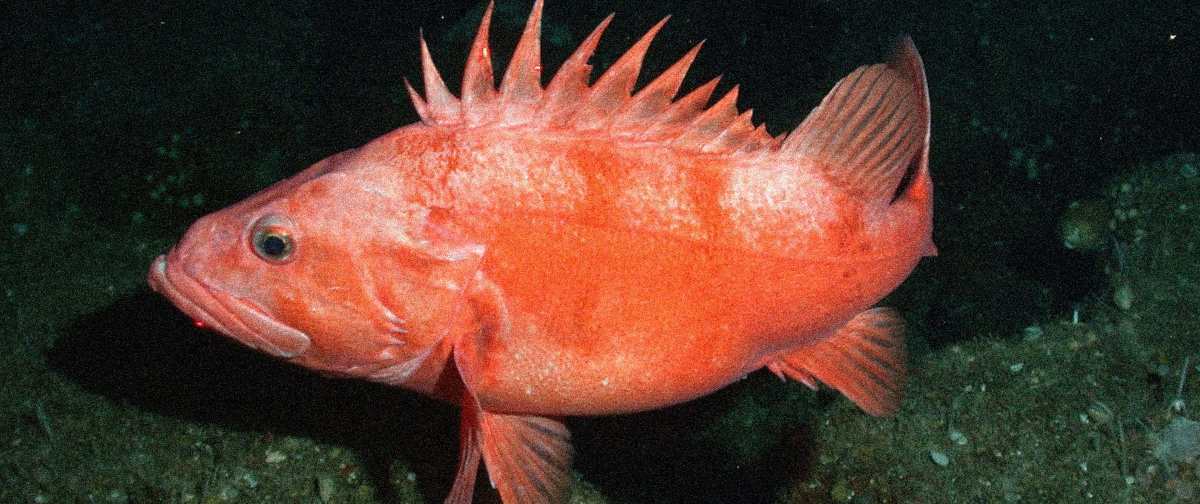
Source: School of Fish
Rougheye rockfish belong to the Sebastes group of rockfish. There are over 100 types of rockfish, but rougheye stand out for their long lives. They eat shrimp, crabs, and small fish. Unlike many fish, they don’t lay eggs—they give birth to live babies.
These fish grow slowly. They don’t rush to get big. Their long life helps them survive in the tough, deep ocean. Fishermen catch them for food, but their numbers are watched to keep them safe.
Other Animals That Have the Longest Lifespan
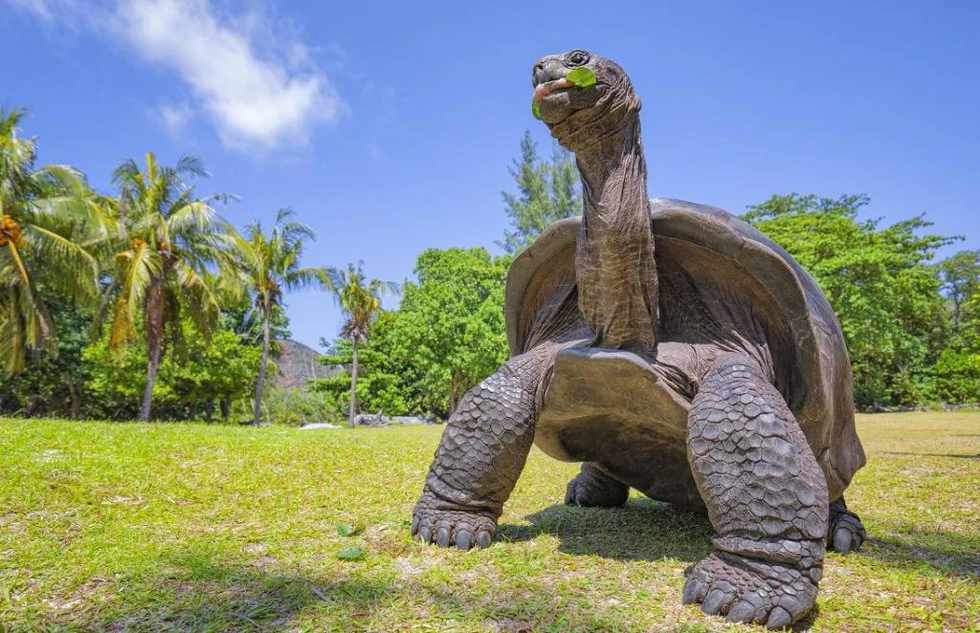
Source: Vajiram & Ravi
Although many animals live over 100 years, such as some species of tortoises, they live over 100 years. One such example is the Aldabra giant tortoise, which is one of the largest tortoises in the world and is native to the Seychelles.
It can generally live up to 150 years and weigh up to 250 kilograms (550 pounds). The 250-year-old Addawaita was one of these Aldabra giant tortoises that lived in captivity in India and died in 2006.
Additionally, the critically endangered radiated tortoise, native to Madagascar, is known for its long lifespan, typically reaching around 50 years in the wild.
However, one captive individual, Tu’i Malila, reportedly lived to 188 years. Born in 1777, this tortoise resided in Tonga’s royal palace until it died in 1966.
Another famous tortoise, Harriet, a Galápagos tortoise, was believed to have hatched around 1830. Originally taken into captivity by Charles Darwin, she spent most of her life in Australia. Harriet lived at the Australia Zoo until her passing in 2006 at over 175 years old.
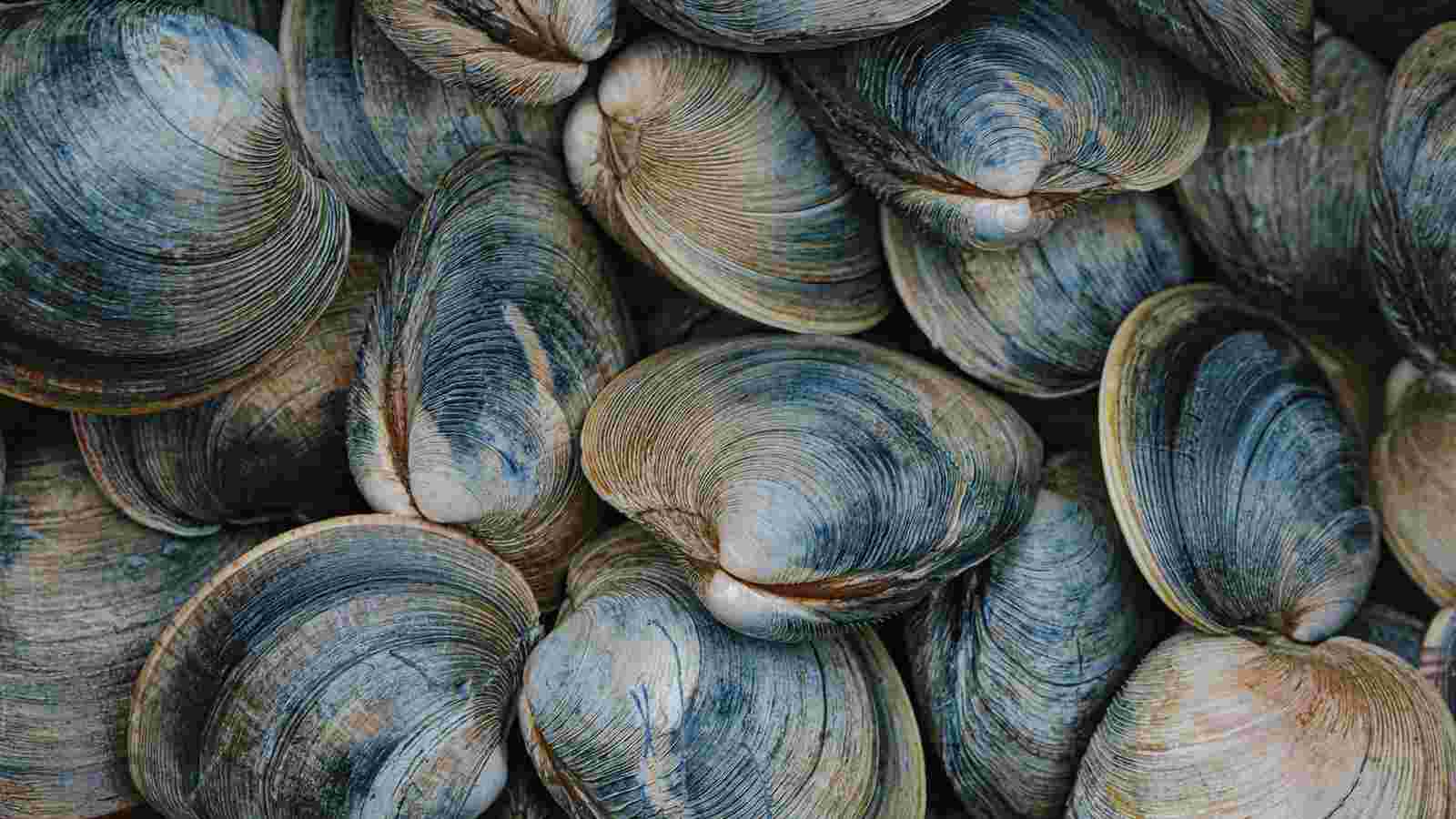
Source: Animals | HowStuffWorks
Similarly, ocean quahogs are aquatic clams that can live up to 225 years. These centenarians are found in the North Atlantic, from Newfoundland to North Carolina.
They are commercially harvested for human consumption. One striking thing about them is that they grow very slowly, which means they reach maturity at the age of 6.
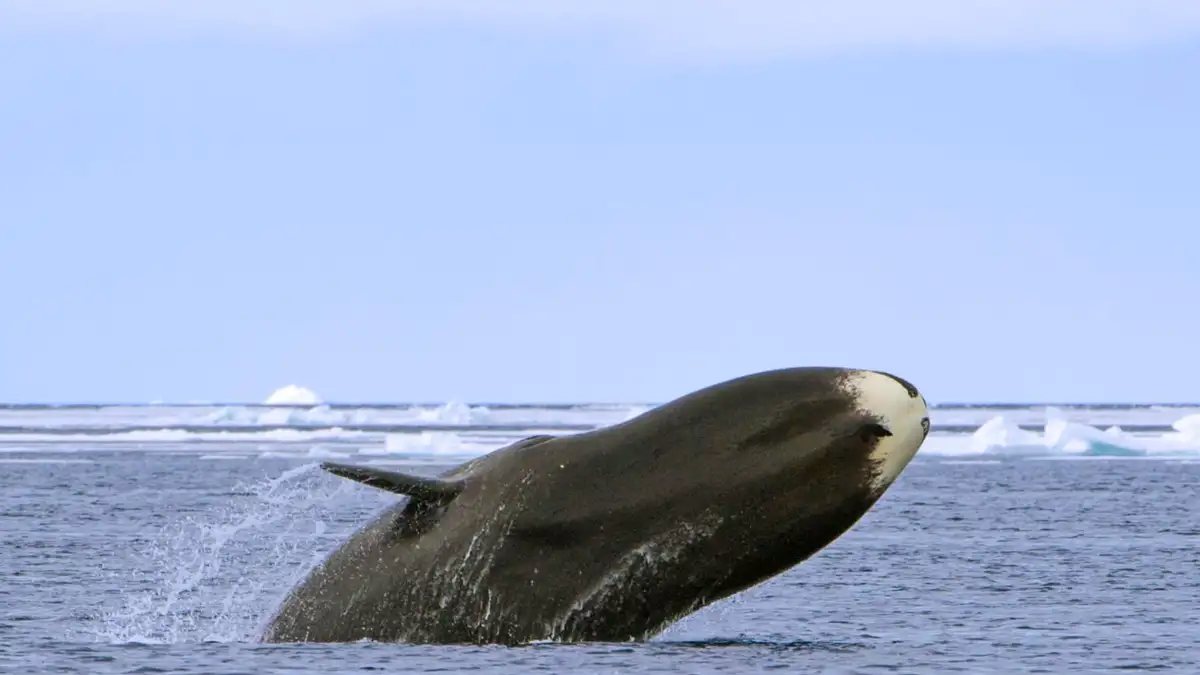
Source: New Scientist
The bowhead whales are also included in the list of the longest-living creatures, living up to 200 years. These aquatic mammals live in the icy waters of the Arctic and subarctic oceans and are considered the longest-living whales—as well as the longest-living mammals.
These whales don’t mate until they are turned 25. Additionally, due to the high level of commercial hunting, these whales are endangered, which is why they are protected by CITES, the US Endangered Species Act, and the US Marine Mammal Protection Act.